


Hey there! As a supplier of shaft support blocks, I often get asked some pretty interesting questions. One that's been coming up a lot lately is, "Can a shaft support block be used in a nuclear radiation environment?" Well, let's dive right into this topic and find out.
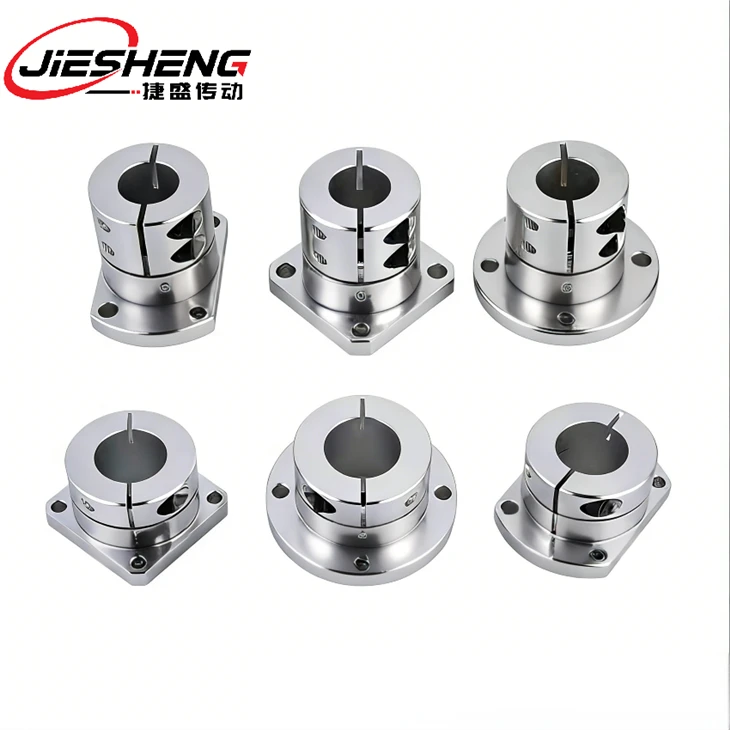
First off, let's understand what a shaft support block is. It's a crucial component in many mechanical systems. Shaft support blocks are designed to hold and support shafts, ensuring they stay in place and function smoothly. They come in different shapes and sizes, and are used in a wide range of applications, from simple machinery to complex industrial setups. You can check out more about Support Rail Shafts on our website.
Now, when it comes to a nuclear radiation environment, things get a bit tricky. Nuclear radiation is a high - energy form of energy that can have some serious effects on materials. There are different types of radiation, like alpha, beta, and gamma rays. Alpha particles are relatively large and can be stopped by a sheet of paper or a few centimeters of air. Beta particles are smaller and more penetrating, and gamma rays are extremely high - energy and can penetrate deep into materials.
The main concern when using a shaft support block in a nuclear radiation environment is the effect of radiation on the material of the block. Most shaft support blocks are made from metals like steel, aluminum, or sometimes plastics. Metals are generally more resistant to radiation compared to plastics.
Let's start with metals. Steel is a common choice for shaft support blocks. It has good mechanical properties, like high strength and hardness. When exposed to radiation, steel can undergo some changes. The high - energy radiation can cause atomic displacements in the steel lattice. This can lead to changes in the material's microstructure, which in turn can affect its mechanical properties. For example, radiation can cause embrittlement, which means the steel becomes more brittle and less ductile. This is a big problem because a brittle shaft support block may crack or break under normal operating loads, leading to system failure.
Aluminum is another metal used in shaft support blocks. It's lightweight and has good corrosion resistance. However, like steel, it's also affected by radiation. Aluminum can experience radiation - induced swelling. This is when the material expands due to the formation of voids and defects caused by radiation. Swelling can change the dimensions of the shaft support block, which can lead to misalignment of the shaft and other components in the system.
Plastics, on the other hand, are generally less radiation - resistant. Radiation can break the chemical bonds in plastics, causing them to degrade. This can lead to a loss of mechanical properties, like strength and stiffness. Plastics may also become more brittle and prone to cracking. So, using a plastic shaft support block in a nuclear radiation environment is usually not a good idea.
But it's not all bad news. There are ways to make shaft support blocks more suitable for nuclear radiation environments. One approach is to use radiation - resistant materials. For example, some special alloys are designed to have better radiation resistance. These alloys may contain elements that can trap the radiation - induced defects and prevent them from causing significant damage to the material.
Another option is to use shielding. We can design the shaft support block with a shielding layer around it. The shielding material can absorb or deflect the radiation, protecting the block from its harmful effects. Lead is a commonly used shielding material because it's very effective at absorbing gamma rays. However, lead is heavy, so we need to balance the shielding effectiveness with the weight requirements of the system.
Now, let's talk about the performance requirements in a nuclear radiation environment. In a nuclear power plant, for example, the shaft support blocks need to operate under very strict conditions. They need to support the shafts with high precision to ensure the proper functioning of pumps, valves, and other equipment. Any misalignment or failure of the shaft support block can lead to serious safety issues.
The temperature in a nuclear radiation environment can also be a factor. Nuclear reactors can generate a lot of heat, and the shaft support blocks need to be able to withstand high temperatures. High temperatures can further accelerate the radiation - induced damage to the material. So, we need to choose materials that have good thermal stability in addition to radiation resistance.
In some cases, we may need to perform regular inspections and maintenance on the shaft support blocks in a nuclear radiation environment. Non - destructive testing methods, like ultrasonic testing and X - ray inspection, can be used to detect any radiation - induced defects in the blocks. If defects are found, the blocks may need to be replaced to ensure the safety and reliability of the system.
If you're considering using a shaft support block in a nuclear radiation environment, it's important to work with a supplier who has experience in this area. We, as a shaft support block supplier, have been researching and developing products for various challenging environments, including nuclear radiation. We can provide you with detailed information about the materials, design, and performance of our shaft support blocks. You can also learn more about our Fully Supported Linear Rail Shaft and Supported Linear Rail Shaft on our website.
In conclusion, while using a shaft support block in a nuclear radiation environment is challenging, it's not impossible. With the right choice of materials, proper design, and appropriate shielding, we can make shaft support blocks that can operate safely and reliably in such environments. If you have a project that requires shaft support blocks in a nuclear radiation environment, don't hesitate to reach out to us. We're here to help you find the best solution for your needs. Whether it's choosing the right material, designing a custom - made block, or providing technical support, we've got you covered. So, let's start a conversation and see how we can work together to make your project a success.
References:

- "Radiation Effects in Materials" by various authors
- "Materials Science and Engineering: An Introduction" by William D. Callister Jr. and David G. Rethwisch


