


Hey there! As a supplier of linear axes, I often get asked about what materials these nifty components are made of. So, I thought I'd break it down for you in this blog post.
Let's start with one of the most common materials: steel. Steel is a go - to choice for many linear axes due to its high strength and durability. It can withstand heavy loads and resist wear and tear over time. There are different types of steel used in linear axes. For instance, carbon steel is a popular option. It's relatively inexpensive and has good mechanical properties. It can handle a decent amount of stress without deforming easily.
Another type of steel is stainless steel. This is a great choice when corrosion resistance is a concern. In environments where there's moisture, chemicals, or high humidity, stainless steel linear axes shine. They won't rust or corrode, which means they'll have a longer lifespan. For example, in food processing plants or marine applications, stainless steel linear axes are often used to ensure reliability and hygiene.
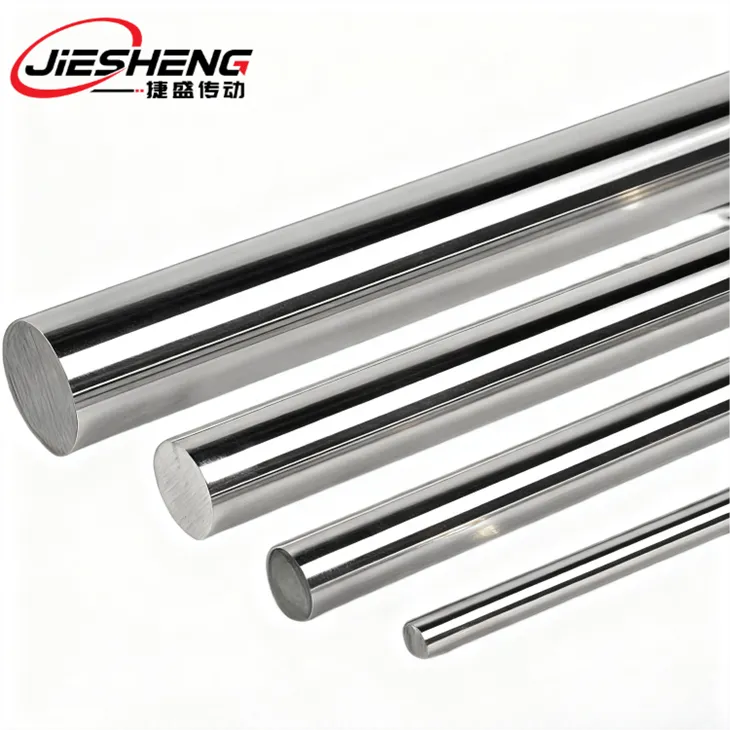
Then we have chrome - plated steel. A Chrome Plated Linear Shaft is made by coating a steel shaft with a layer of chrome. This not only gives the shaft a shiny appearance but also provides several benefits. The chrome layer is very hard and smooth, which reduces friction between the shaft and the moving parts. This results in smoother operation and less energy consumption. It also enhances the corrosion resistance of the shaft, making it suitable for a wider range of environments.
Aluminum is another material used in linear axes. It's much lighter than steel, which is a big advantage in applications where weight is a critical factor. For example, in robotics or aerospace, every gram counts. Aluminum linear axes can help reduce the overall weight of the system, which in turn can improve energy efficiency and increase the speed of operation. However, aluminum is not as strong as steel, so it's usually used in applications where the loads are relatively light.
Plastic is also making its way into the world of linear axes. Engineering plastics like nylon and PTFE (polytetrafluoroethylene) have some unique properties. They are self - lubricating, which means they don't require additional lubrication during operation. This can simplify the maintenance process and reduce the risk of contamination. Plastic linear axes are also resistant to chemicals and can be used in harsh chemical environments. They are often used in small - scale applications or in situations where cost is a major consideration.
Ceramics are a high - performance material used in specialized linear axes. They have extremely high hardness, wear resistance, and can operate at high temperatures. In high - precision applications such as semiconductor manufacturing or optical equipment, ceramic linear axes are used to ensure accurate and stable movement. However, ceramics are brittle and more expensive than other materials, so they are not used as widely.
Now, let's talk about the different types of linear shafts and their materials. A Linear Guide Shaft is a key component in many linear motion systems. These shafts are usually made of high - quality steel or chrome - plated steel to ensure smooth and accurate guiding of the moving parts. They are designed to provide a low - friction surface for the linear bearings to slide on.
A Cylinder Linear Shaft is another type. It has a cylindrical shape and is used in various applications, from simple linear motion in machinery to more complex systems. The material selection for cylinder linear shafts depends on the specific requirements of the application, such as load capacity, speed, and environmental conditions.
When it comes to choosing the right material for a linear axis, there are several factors to consider. First, you need to think about the load capacity. If your application involves heavy loads, then steel or a high - strength material is probably the way to go. Second, the operating environment is crucial. If it's a corrosive environment, stainless steel or a coated material would be a better choice. Third, speed and precision are important. For high - speed applications, materials with low friction and good wear resistance are preferred.
As a linear axes supplier, I understand that every customer has unique needs. That's why we offer a wide range of linear axes made from different materials to meet various requirements. Whether you need a heavy - duty steel linear axis for an industrial machine or a lightweight aluminum one for a robotic arm, we've got you covered.
If you're in the market for linear axes and want to learn more about our products or discuss your specific needs, I encourage you to reach out to us. We can provide you with detailed information, technical support, and competitive pricing. Our team of experts is always ready to help you find the perfect linear axis solution for your application.
In conclusion, the materials used in linear axes vary widely, each with its own set of advantages and disadvantages. By understanding the properties of different materials and considering your specific application requirements, you can make an informed decision when choosing a linear axis. So, don't hesitate to contact us if you have any questions or need further assistance.

References
- "Materials Science and Engineering: An Introduction" by William D. Callister Jr. and David G. Rethwisch
- Industry reports on linear motion systems and materials


