


As a supplier of SFU Ball Screws, ensuring the quality and precision of our products is of utmost importance. One critical aspect of quality control is checking the diameter tolerance of SFU Ball Screws. In this blog post, I'll share some effective methods and considerations for accurately checking the diameter tolerance of these essential components.
Understanding the Importance of Diameter Tolerance
The diameter tolerance of an SFU Ball Screw directly impacts its performance and compatibility with other components in a mechanical system. A screw with a diameter outside the specified tolerance range can lead to issues such as poor fit, increased friction, and reduced efficiency. This can ultimately result in premature wear and tear, decreased accuracy, and potential system failures. Therefore, maintaining the correct diameter tolerance is crucial for ensuring the reliability and longevity of the ball screw and the overall machinery it is used in.
Tools Required for Checking Diameter Tolerance
Before we delve into the checking process, let's first discuss the tools needed. The most commonly used tool for measuring the diameter of an SFU Ball Screw is a micrometer. A micrometer provides high - precision measurements and is available in various types, such as outside micrometers for measuring the external diameter of the screw. Additionally, a caliper can also be used for a quick and approximate measurement, especially for initial inspections. For more advanced and automated measurements, coordinate measuring machines (CMMs) can be employed. These machines use probes to precisely measure the dimensions of the screw and can provide detailed reports on the diameter and other geometric features.
Step - by - Step Guide to Checking Diameter Tolerance
- Prepare the Screw and Tools
- First, clean the SFU Ball Screw thoroughly to remove any dirt, debris, or oil that could affect the measurement. Use a clean cloth and a suitable cleaning agent.
- Ensure that the measuring tools are calibrated correctly. A micrometer, for example, should be zeroed before use to ensure accurate readings.
- Select the Measurement Points
- The diameter of an SFU Ball Screw can vary along its length. Therefore, it is important to select multiple measurement points. Typically, measurements are taken at the two ends and the middle of the screw. For longer screws, additional points can be selected at regular intervals.
- Take the Measurements
- If using a micrometer, carefully place the anvil and spindle of the micrometer around the selected measurement point on the screw. Gently turn the thimble until the micrometer makes contact with the screw surface. Read the measurement value on the micrometer scale. Make sure to take the measurement perpendicular to the axis of the screw for the most accurate result.
- When using a caliper, open the jaws of the caliper and place them around the screw. Close the jaws until they make contact with the screw surface and read the measurement on the caliper scale.
- For a CMM, the machine will automatically move the probe to the selected measurement points and record the diameter values.
- Compare with the Tolerance Range
- Once all the measurements are taken, compare each measurement with the specified diameter tolerance range for the SFU Ball Screw. The tolerance range is usually provided in the product specifications. If any of the measurements fall outside the tolerance range, the screw may be considered defective.
Factors Affecting Diameter Tolerance Measurement
- Temperature
- Temperature can have a significant impact on the measurement of the diameter of an SFU Ball Screw. Metals expand or contract with changes in temperature. Therefore, it is important to measure the screw at a stable temperature. Ideally, the measurement should be carried out in a temperature - controlled environment to minimize the effects of temperature variations.
- Surface Finish
- The surface finish of the screw can also affect the measurement. A rough surface may cause the measuring tool to make uneven contact, leading to inaccurate measurements. It is recommended to ensure that the surface of the screw is smooth and free from any scratches or burrs before taking the measurements.
- Operator Skill
- The skill and experience of the operator taking the measurements can play a role in the accuracy of the results. An inexperienced operator may not use the measuring tools correctly, leading to errors in the measurement. Therefore, proper training should be provided to the operators to ensure accurate and consistent measurements.
Advanced Techniques for Diameter Tolerance Checking
- Optical Measurement Systems
- Optical measurement systems use cameras and advanced software to measure the diameter of the SFU Ball Screw. These systems can provide non - contact measurements, which are especially useful for delicate or high - precision screws. They can also capture detailed images of the screw surface, allowing for the detection of any surface defects that may affect the diameter measurement.
- Statistical Process Control (SPC)
- SPC involves collecting and analyzing measurement data over time to monitor the production process. By using SPC techniques, we can identify trends in the diameter tolerance of the SFU Ball Screws. If the data shows that the diameter tolerance is starting to drift outside the acceptable range, corrective actions can be taken to adjust the production process.
As a Supplier, Our Commitment to Quality
At our company, we understand the critical role that diameter tolerance plays in the performance of SFU Ball Screws. That's why we have implemented a comprehensive quality control system that includes regular diameter tolerance checks. Our state - of - the - art measuring equipment and experienced quality control team ensure that every screw we supply meets the highest quality standards.

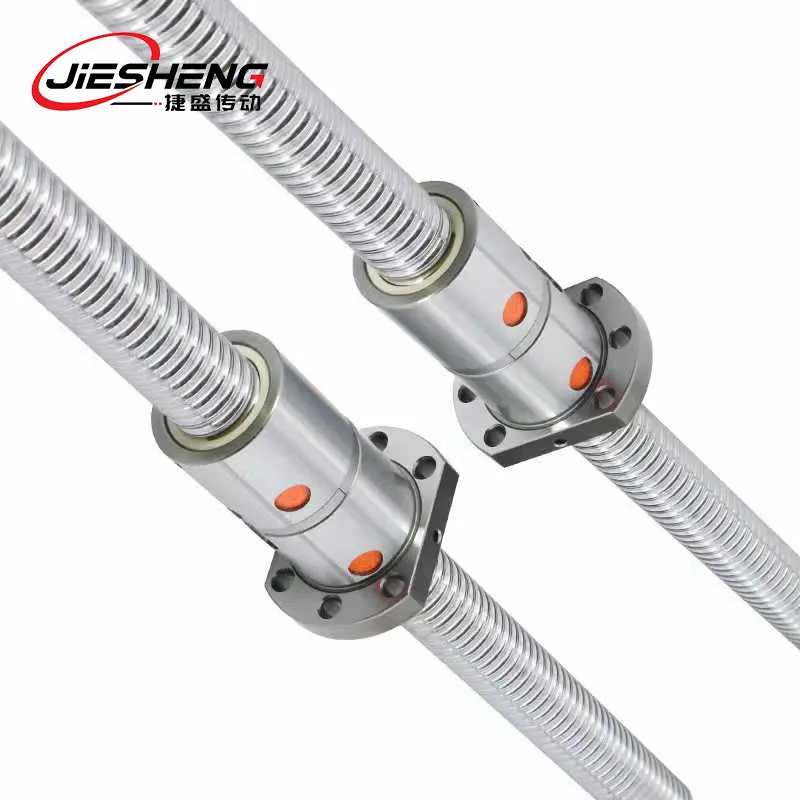
We offer a wide range of SFU Ball Screws, including Stainless Steel Lead Screw, Precision Ground Ball Screw, and CNC Machine Lead Screw. Each product is carefully inspected to ensure that its diameter is within the specified tolerance range.
If you are in the market for high - quality SFU Ball Screws, we invite you to contact us for procurement and further discussions. We are committed to providing you with the best products and services to meet your specific needs.
References
- "Mechanical Engineering Handbook" by Myer Kutz
- "Precision Engineering: Theory and Practice" by Peter C. Hughes
- Technical documents from leading ball screw manufacturers


