


Selecting the right ball screw housing for a specific stroke length is a critical decision that can significantly impact the performance and longevity of your machinery. As a trusted Ball Screw Housing supplier, I understand the complexities involved in this process and am here to guide you through the key considerations.

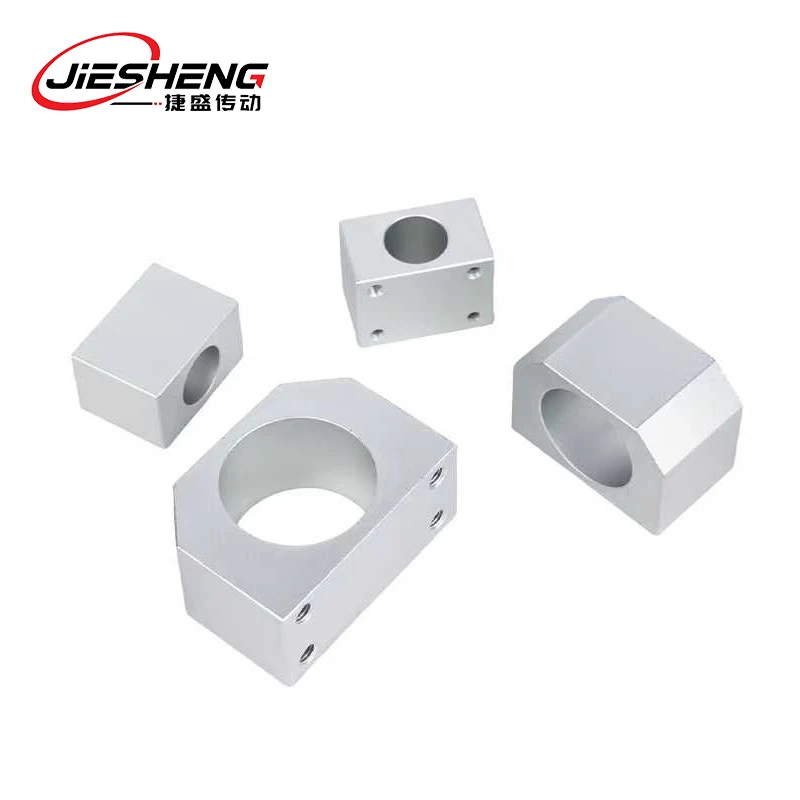
Understanding the Basics of Ball Screw Housings
Before delving into the selection process, it's essential to have a clear understanding of what a ball screw housing is and its role in a mechanical system. A Ball Screw Housing is a crucial component that encloses the ball screw nut, providing support, protection, and precise alignment. It plays a vital role in ensuring smooth and efficient operation of the ball screw assembly.
Importance of Stroke Length
The stroke length is the distance that the ball screw nut travels along the screw shaft. It is one of the most important factors to consider when selecting a ball screw housing. The stroke length determines the size and design of the housing, as well as the type of materials and manufacturing processes required.
Key Considerations for Selecting a Ball Screw Housing
- Load Capacity
- The load capacity of the ball screw housing is determined by the maximum load that the ball screw assembly will be subjected to during operation. It is crucial to select a housing that can withstand the expected loads without deformation or failure. Consider factors such as the weight of the moving parts, the forces generated by the application, and any dynamic loads that may occur.
- Accuracy Requirements
- The accuracy of the ball screw housing is essential for achieving precise positioning and motion control. Higher accuracy requirements may necessitate the use of a more precise manufacturing process and higher-quality materials. Consider the level of accuracy required for your application, such as positioning accuracy, repeatability, and backlash.
- Speed and RPM
- The speed and RPM (revolutions per minute) of the ball screw assembly can affect the performance and lifespan of the housing. Higher speeds and RPMs may require a housing that is designed to handle increased centrifugal forces and heat generation. Consider the maximum speed and RPM requirements of your application and select a housing that can operate within these parameters.
- Environmental Conditions
- The environmental conditions in which the ball screw assembly will operate can also impact the selection of the housing. Factors such as temperature, humidity, dust, and chemicals can affect the performance and durability of the housing. Consider the environmental conditions of your application and select a housing that is resistant to corrosion, wear, and other environmental factors.
- Mounting and Installation
- The mounting and installation requirements of the ball screw housing are important considerations. Ensure that the housing can be easily mounted and aligned with the ball screw assembly and other components of the system. Consider factors such as the mounting method, the available space, and the ease of installation and maintenance.
Matching the Housing to the Stroke Length
Once you have considered the key factors above, it's time to match the ball screw housing to the specific stroke length of your application. Here are some guidelines to help you make the right choice:
- Determine the Minimum and Maximum Stroke Length
- First, determine the minimum and maximum stroke length requirements of your application. This will help you narrow down the range of suitable housing sizes.
- Select a Housing with Sufficient Length
- Choose a ball screw housing that is long enough to accommodate the full stroke length of the ball screw assembly. It's important to leave some extra length for end play and any additional clearance requirements.
- Consider the Type of End Support
- The type of end support used for the ball screw assembly can also affect the selection of the housing. Different end support configurations may require different housing designs to ensure proper alignment and support.
- Evaluate the Space Constraints
- Take into account the available space in your machinery when selecting the housing. Ensure that the housing can fit within the designated area without interfering with other components.
Additional Considerations
- Material Selection
- The material used for the ball screw housing can have a significant impact on its performance and durability. Common materials include aluminum, steel, and stainless steel. Each material has its own advantages and disadvantages, so choose the one that best suits your application requirements.
- Surface Finish
- The surface finish of the housing can affect the friction and wear characteristics of the ball screw assembly. A smooth surface finish can reduce friction and improve the efficiency of the system.
- Lubrication
- Proper lubrication is essential for the smooth operation and longevity of the ball screw housing. Consider the lubrication requirements of your application and choose a housing that is compatible with the lubricant used.
- Accessories and Options
- Some ball screw housings may come with additional accessories or options, such as Nut Retainers or Ball Screw Nut Housing modifications. These can enhance the performance and functionality of the housing, so consider whether any of these options are necessary for your application.
Conclusion
Selecting the right ball screw housing for a specific stroke length requires careful consideration of various factors, including load capacity, accuracy requirements, speed, environmental conditions, and mounting requirements. By following the guidelines outlined in this blog, you can make an informed decision and choose a housing that will meet the needs of your application.
As a Ball Screw Housing supplier, I am committed to providing high-quality products and expert advice to help you select the best housing for your specific requirements. If you have any questions or need further assistance, please don't hesitate to contact me. I look forward to working with you to find the perfect solution for your machinery.
References
- "Ball Screw Handbook" by Thomson Industries
- "Motion Control Basics" by Parker Hannifin Corporation
- "Mechanical Design Handbook" by Robert C. Juvinall and Kurt M. Marshek


