


Can a ball bearing housing be used in a vacuum environment? That's a question I get asked a lot as a supplier of Ball Bearing Housing. And it's a valid one, considering how different a vacuum environment is from the normal atmospheric conditions we're used to. In this blog post, I'm going to break down the factors involved and give you the lowdown on whether ball bearing housings can cut it in the vacuum.
Understanding the Vacuum Environment
First things first, let's talk about what makes a vacuum environment so unique. In a nutshell, a vacuum is a space devoid of matter. This means there's no air, no moisture, and very little pressure. These conditions can have a big impact on how mechanical components like ball bearing housings perform.
One of the main issues in a vacuum is outgassing. Outgassing is when materials release gases or vapors into the surrounding environment. In a normal atmosphere, these gases would just mix with the air and not cause any problems. But in a vacuum, there's nowhere for the gases to go, so they can build up and contaminate the environment. This can be a major problem for applications like semiconductor manufacturing or space exploration, where even the slightest contamination can ruin the process or equipment.
Another challenge in a vacuum is lubrication. In a normal environment, lubricants help reduce friction and wear between moving parts. But in a vacuum, traditional lubricants can evaporate or break down quickly, leaving the bearings dry and prone to damage.
Can Ball Bearing Housings Withstand the Vacuum?
So, can a ball bearing housing be used in a vacuum environment? The answer is: it depends. There are several factors to consider, including the materials used, the design of the housing, and the type of bearings.
Materials
The materials used in the ball bearing housing play a crucial role in its performance in a vacuum. Some materials are more prone to outgassing than others, so it's important to choose materials that are compatible with the vacuum environment. For example, stainless steel is a popular choice because it has low outgassing properties and is resistant to corrosion.
Design
The design of the ball bearing housing also matters. A well-designed housing should minimize the amount of surface area exposed to the vacuum, as this can reduce the risk of outgassing. Additionally, the housing should be designed to prevent any gaps or leaks where gases could escape.
Bearings
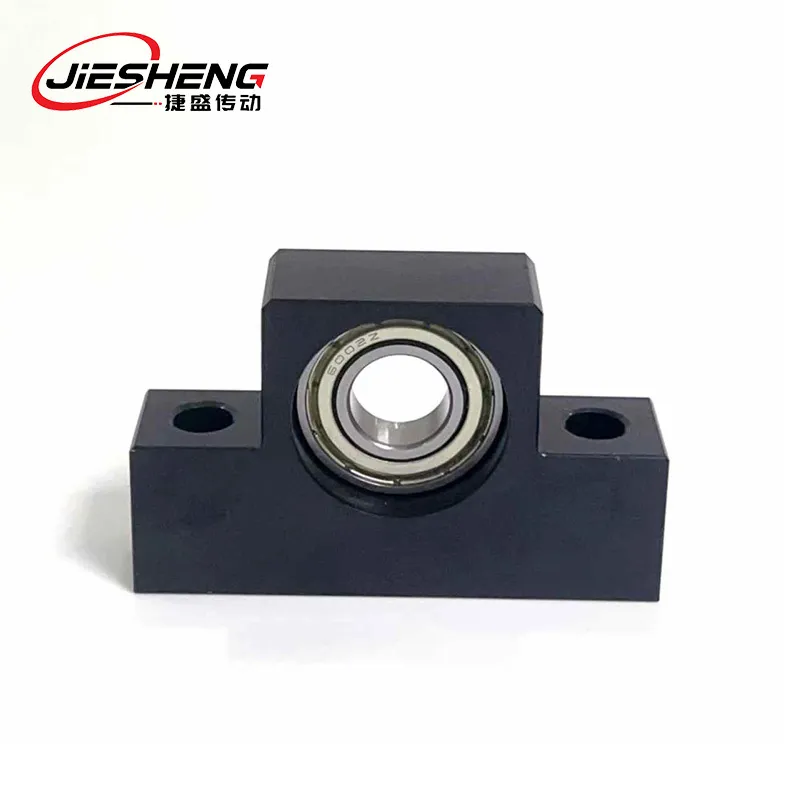
The type of bearings used in the housing is also important. Some bearings are specifically designed for use in vacuum environments and are made with materials that have low outgassing properties. End Support Bearing and Ball Screw End Support Bearings are good examples of bearings that can be used in a vacuum. These bearings are typically greased with special lubricants that are designed to withstand the vacuum environment.
Benefits of Using Ball Bearing Housings in a Vacuum
Despite the challenges, there are several benefits to using ball bearing housings in a vacuum environment.
Precision
Ball bearing housings are known for their high precision and accuracy. This is especially important in applications like semiconductor manufacturing, where even the slightest deviation can lead to defective products. By using ball bearing housings, you can ensure that your equipment operates with the highest level of precision.

Durability
Ball bearing housings are designed to withstand high loads and harsh environments. In a vacuum, where there's no air or moisture to cause corrosion, the housing can last even longer. This can help reduce maintenance costs and downtime.
Compatibility
Ball bearing housings are compatible with a wide range of bearings, making them a versatile choice for different applications. Whether you need a single bearing or a set of bearings, you can find a ball bearing housing that meets your needs.
How to Choose the Right Ball Bearing Housing for a Vacuum Environment
If you're considering using a ball bearing housing in a vacuum environment, here are some tips to help you choose the right one.
Consider the Application
The first step is to consider the specific application for which you need the ball bearing housing. Different applications have different requirements, so it's important to choose a housing that is designed to meet those requirements. For example, if you're using the housing in a semiconductor manufacturing process, you'll need a housing that is made with materials that are compatible with the chemicals used in the process.
Look for Low Outgassing Materials
As mentioned earlier, outgassing is a major concern in a vacuum environment. To minimize the risk of outgassing, look for ball bearing housings that are made with low outgassing materials. Stainless steel is a good choice, but there are other materials available as well.
Choose the Right Bearings
The type of bearings you choose will also depend on the specific application. Make sure to choose bearings that are designed for use in a vacuum environment and are compatible with the housing. End Support Bearing and Ball Screw End Support Bearings are good options for many applications.
Consider the Design
The design of the ball bearing housing can also affect its performance in a vacuum. Look for a housing that is designed to minimize the amount of surface area exposed to the vacuum and prevent any gaps or leaks.
Conclusion
In conclusion, a ball bearing housing can be used in a vacuum environment, but it's important to choose the right one. By considering the materials, design, and type of bearings, you can ensure that your ball bearing housing performs well in the vacuum and meets the requirements of your application.
If you're interested in learning more about ball bearing housings for vacuum environments or have any questions about our products, feel free to reach out. We're here to help you find the right solution for your needs and get you started on the path to success. Let's start a conversation and see how we can work together to meet your ball bearing housing requirements in a vacuum environment.
References
- "Vacuum Technology Handbook", John F. O'Hanlon
- "Bearing Design and Application", Robert J. Kendall


