


As a seasoned supplier of Rail Shafts, I've encountered numerous customers who are often perplexed about the optimal maintenance frequency for these crucial components. In this blog, I aim to shed light on this topic, providing you with scientific and practical insights to ensure the longevity and efficient performance of your Rail Shafts.
Understanding the Importance of Rail Shaft Maintenance
Rail Shafts play a pivotal role in various industrial applications, including automation systems, robotics, and linear motion equipment. They provide a smooth and stable guide for moving parts, ensuring precise positioning and reliable operation. However, like any mechanical component, Rail Shafts are subject to wear and tear over time. Without proper maintenance, this wear can lead to decreased performance, increased friction, and even premature failure.
Regular maintenance helps to identify and address potential issues before they escalate, reducing downtime and costly repairs. It also extends the lifespan of the Rail Shaft, maximizing your investment and ensuring consistent performance in your operations.
Factors Influencing Maintenance Frequency
The frequency of Rail Shaft maintenance depends on several factors, each of which can significantly impact the wear rate and overall condition of the shaft. Here are some key considerations:
Operating Environment
The environment in which the Rail Shaft operates is a major determinant of maintenance frequency. Harsh conditions, such as high temperatures, humidity, dust, and corrosive chemicals, can accelerate wear and damage to the shaft. In such environments, more frequent maintenance is required to prevent corrosion, contamination, and premature failure.
For example, in a manufacturing plant where there is a high level of dust and debris, the Rail Shaft may need to be cleaned and inspected more often to prevent particles from entering the bearing surfaces and causing abrasion. Similarly, in a chemical processing facility, the shaft may be exposed to corrosive substances, necessitating regular cleaning and protective coating applications to prevent rust and degradation.
Load and Usage
The load and usage patterns of the Rail Shaft also play a crucial role in determining maintenance frequency. Higher loads and more frequent use can increase the stress on the shaft, leading to faster wear. If the Rail Shaft is subjected to heavy loads or continuous operation, it may require more frequent maintenance to ensure its integrity and performance.
For instance, in a high-speed automation system where the Rail Shaft is constantly in motion, the wear rate will be higher compared to a system with intermittent use. In such cases, more frequent lubrication and inspection may be necessary to prevent overheating and excessive wear.
Shaft Material and Design
The material and design of the Rail Shaft can also affect its maintenance requirements. Different materials have varying levels of hardness, corrosion resistance, and wear resistance. For example, a Chrome Plated Linear Shaft offers enhanced corrosion resistance and a smooth surface finish, which can reduce friction and wear. However, even with these advantages, it still requires regular maintenance to maintain its performance.
The design of the Rail Shaft, including its diameter, length, and bearing type, can also impact its maintenance frequency. Shafts with larger diameters and shorter lengths generally have higher load-carrying capacities and may require less frequent maintenance. Additionally, the choice of bearing type, such as ball bearings or roller bearings, can affect the lubrication requirements and wear characteristics of the shaft.
General Maintenance Guidelines
Based on the factors mentioned above, here are some general guidelines for determining the maintenance frequency of Rail Shafts:
Visual Inspection
Regular visual inspections are essential for detecting early signs of wear, damage, or contamination. Inspect the Rail Shaft for any visible signs of scratches, dents, corrosion, or misalignment. Check the bearing surfaces for signs of wear, such as excessive play or uneven wear patterns.
Visual inspections should be conducted at least once a month for normal operating conditions. In harsh environments or high-load applications, more frequent inspections may be necessary, such as weekly or bi-weekly.
Cleaning
Cleaning the Rail Shaft is an important part of maintenance to remove dirt, dust, and debris that can cause abrasion and damage. Use a clean, lint-free cloth or a soft brush to remove any loose particles from the shaft surface. For stubborn dirt or contaminants, a mild cleaning solution can be used, followed by thorough rinsing and drying.

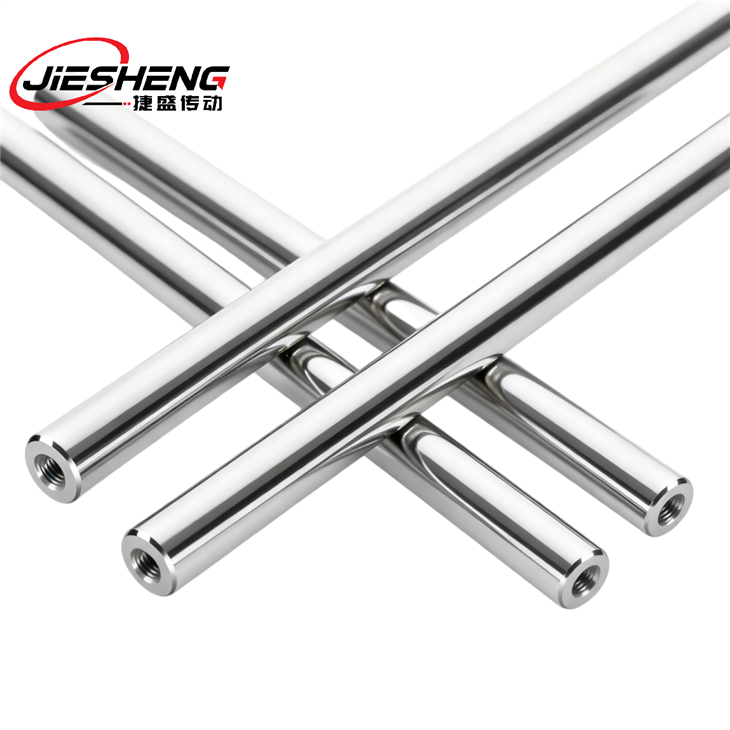
The frequency of cleaning depends on the operating environment. In clean environments, cleaning may be required every few months. In dirty or dusty environments, cleaning should be done more frequently, such as weekly or monthly.
Lubrication
Proper lubrication is crucial for reducing friction, preventing wear, and extending the lifespan of the Rail Shaft. Use a high-quality lubricant recommended by the manufacturer to ensure optimal performance. Apply the lubricant evenly to the bearing surfaces according to the manufacturer's instructions.
The lubrication frequency depends on the type of lubricant used, the operating conditions, and the load and usage patterns. In general, lubrication should be performed every 3 to 6 months for normal operating conditions. In high-speed or high-load applications, more frequent lubrication may be necessary, such as every 1 to 2 months.
Alignment Check
Regular alignment checks are necessary to ensure that the Rail Shaft is properly aligned with the other components in the system. Misalignment can cause uneven wear, increased friction, and premature failure. Use a precision alignment tool to check the alignment of the shaft and make any necessary adjustments.
Alignment checks should be conducted at least once a year for normal operating conditions. In applications where precise alignment is critical, such as in precision machining or robotics, more frequent alignment checks may be required, such as every 6 months.
Specific Maintenance Recommendations for Different Types of Rail Shafts
Rail Shaft
Rail Shafts are commonly used in linear motion systems to provide a smooth and stable guide for moving parts. For Rail Shafts, the following maintenance recommendations apply:
- Visual Inspection: Check for signs of wear, damage, or corrosion on the shaft surface and the rail. Inspect the mounting brackets and fasteners for tightness.
- Cleaning: Clean the shaft and the rail regularly to remove dirt and debris. Use a mild cleaning solution if necessary.
- Lubrication: Apply a suitable lubricant to the rail and the bearing surfaces to reduce friction and wear. Follow the manufacturer's recommendations for lubrication frequency and type.
- Alignment Check: Ensure that the Rail Shaft is properly aligned with the other components in the system. Misalignment can cause premature wear and reduce the performance of the system.
Cylinder Linear Shaft
Cylinder Linear Shafts are used in hydraulic and pneumatic cylinders to provide linear motion. The maintenance requirements for Cylinder Linear Shafts are similar to those of Rail Shafts, but with some additional considerations:
- Seal Inspection: Check the seals on the cylinder for signs of wear or damage. Leaking seals can cause fluid loss and contamination, which can affect the performance of the cylinder.
- Fluid Level Check: Monitor the fluid level in the hydraulic or pneumatic system regularly. Low fluid levels can cause the cylinder to malfunction or damage the shaft.
- Pressure Check: Check the pressure in the hydraulic or pneumatic system to ensure that it is within the recommended range. Excessive pressure can cause damage to the shaft and the cylinder.
Chrome Plated Linear Shaft
Chrome Plated Linear Shafts offer enhanced corrosion resistance and a smooth surface finish. However, they still require regular maintenance to maintain their performance:
- Visual Inspection: Check for signs of chrome peeling, corrosion, or damage on the shaft surface. Inspect the bearing surfaces for wear.
- Cleaning: Clean the shaft regularly to remove dirt and debris. Use a soft cloth or a mild cleaning solution to avoid scratching the chrome plating.
- Lubrication: Apply a suitable lubricant to the bearing surfaces to reduce friction and wear. Follow the manufacturer's recommendations for lubrication frequency and type.
- Protection: Protect the chrome plating from scratches and damage. Avoid using abrasive tools or harsh chemicals on the shaft surface.
Conclusion
In conclusion, the maintenance frequency of a Rail Shaft depends on several factors, including the operating environment, load and usage, shaft material and design. By following the general maintenance guidelines and specific recommendations for different types of Rail Shafts, you can ensure the longevity and efficient performance of your Rail Shafts.
Regular maintenance not only extends the lifespan of the Rail Shaft but also reduces downtime and costly repairs, maximizing your investment and ensuring consistent performance in your operations. If you have any questions or need further assistance with Rail Shaft maintenance, please feel free to contact us. We are a leading supplier of high-quality Rail Shafts and can provide you with professional advice and support.
If you are interested in purchasing Rail Shafts or discussing your specific requirements, we invite you to reach out to us for a detailed consultation. Our team of experts is ready to assist you in finding the right solution for your application.
References
- Manufacturer's manuals and technical specifications for Rail Shafts
- Industry standards and best practices for linear motion system maintenance
- Research studies on the wear and performance of Rail Shafts in different operating conditions


