


The performance of ball screws is a critical factor in various industrial applications, from precision manufacturing to aerospace engineering. As a leading ball screw supplier, we understand the importance of ensuring that our products operate at peak efficiency under different conditions. One of the most significant factors that can affect the performance of ball screws is temperature. In this blog post, we will explore how temperature impacts the performance of ball screws and what steps can be taken to mitigate these effects.
Thermal Expansion and Contraction
One of the primary ways in which temperature affects ball screws is through thermal expansion and contraction. As the temperature of a ball screw increases, the material expands, causing changes in its dimensions. Conversely, when the temperature decreases, the material contracts. These dimensional changes can have a significant impact on the performance of the ball screw.
In a ball screw system, the accuracy of positioning is crucial. Thermal expansion can lead to an increase in the pitch of the screw, which means that for each revolution of the screw, the nut will move a greater distance than intended. This can result in positioning errors, which are unacceptable in applications that require high precision, such as Micro Ball Screw used in micro - machining operations.
On the other hand, thermal contraction can cause the pitch to decrease, leading to similar positioning inaccuracies. Moreover, these dimensional changes can also affect the pre - load in the ball screw assembly. Pre - load is essential for eliminating backlash and ensuring smooth and efficient operation. A change in pre - load due to thermal effects can lead to increased vibration, noise, and reduced service life of the ball screw.
Lubrication and Temperature
Lubrication plays a vital role in the performance of ball screws. It reduces friction between the balls and the raceways, which in turn reduces wear and heat generation. However, temperature can have a significant impact on the effectiveness of lubrication.
Most lubricants have a specific operating temperature range. At high temperatures, the viscosity of the lubricant decreases. This means that the lubricant may not be able to form a sufficient film between the moving parts, leading to increased friction and wear. In extreme cases, the lubricant may even break down, losing its lubricating properties altogether.
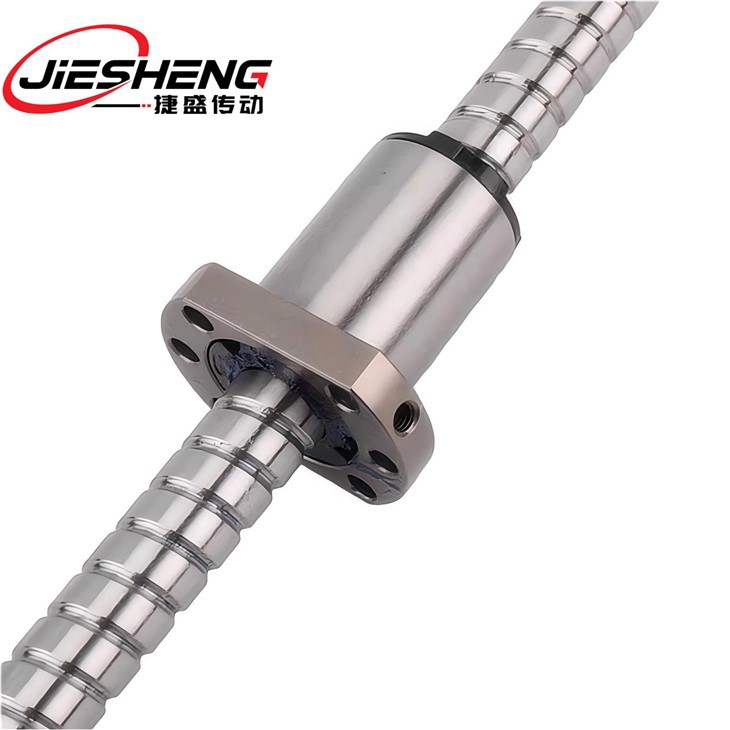
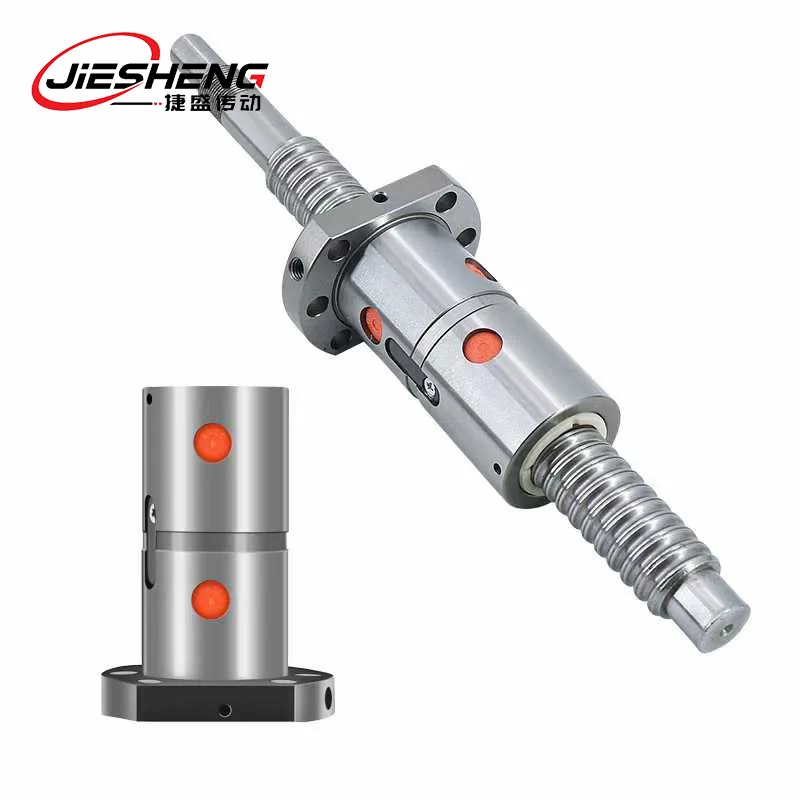
Conversely, at low temperatures, the viscosity of the lubricant increases. This can make it difficult for the lubricant to flow, resulting in poor distribution throughout the ball screw assembly. As a result, some parts of the ball screw may not receive adequate lubrication, leading to uneven wear and potential failure.
Material Properties and Temperature
The material properties of ball screws are also affected by temperature. The hardness and strength of the materials used in ball screws can change with temperature. For example, at high temperatures, the material may become softer, reducing its resistance to wear and deformation. This can lead to increased ball and raceway wear, which will ultimately affect the performance and service life of the ball screw.
In addition, the fatigue life of the ball screw can be significantly influenced by temperature. Fatigue failure occurs due to repeated loading and unloading of the material. Higher temperatures can accelerate the fatigue process, reducing the number of cycles the ball screw can withstand before failure. This is a critical concern in applications such as Precision Ground Ball Screw used in high - speed and high - cycle operations.
Mitigating the Effects of Temperature
As a ball screw supplier, we offer several solutions to mitigate the effects of temperature on ball screw performance.
Thermal Compensation
One approach is to use thermal compensation techniques. This involves monitoring the temperature of the ball screw system and adjusting the control parameters accordingly. For example, in a CNC machine using a CNC Machine Lead Screw, the control system can be programmed to compensate for the thermal expansion or contraction of the ball screw by adjusting the feed rate or the position setpoints.
Proper Lubrication Selection
Selecting the right lubricant is crucial. We recommend using lubricants with a wide operating temperature range. Synthetic lubricants, for example, often have better thermal stability than mineral - based lubricants. They can maintain their viscosity and lubricating properties over a broader temperature range, ensuring reliable operation in both high - and low - temperature environments.
Cooling and Heating Systems
In some applications, it may be necessary to implement cooling or heating systems. Cooling systems can be used to remove excess heat generated during operation, keeping the temperature of the ball screw within an acceptable range. This is particularly important in high - speed and high - load applications. Heating systems, on the other hand, can be used in cold environments to ensure that the lubricant remains fluid and the ball screw operates smoothly.
Conclusion
Temperature has a profound impact on the performance of ball screws. From thermal expansion and contraction to changes in lubrication and material properties, the effects of temperature can lead to positioning errors, increased wear, and reduced service life. However, with the right strategies and solutions, these effects can be effectively mitigated.
As a trusted ball screw supplier, we are committed to providing high - quality ball screws and offering comprehensive support to our customers. Whether you need a Micro Ball Screw for a precision micro - machining application or a Precision Ground Ball Screw for a high - speed CNC machine, we have the expertise and products to meet your needs.
If you are interested in learning more about our ball screw products or have any questions regarding temperature - related performance issues, we encourage you to contact us for a detailed discussion. Our team of experts is ready to assist you in selecting the most suitable ball screw for your application and providing solutions to ensure optimal performance under all temperature conditions.
References
- "Fundamentals of Machine Elements" by Hamrock, Schmid, and Jacobson.
- "Mechanical Design Handbook" by Robert C. Juvinall and Kurt M. Marshek.
- Industry research reports on ball screw performance and temperature effects.


