


Hey there! As a supplier of Linear Guide Shafts, I know how crucial it is to keep these components clean. A well - maintained linear guide shaft not only ensures smooth operation but also extends its lifespan. In this blog, I'm gonna walk you through the steps on how to clean a linear guide shaft.
Why Cleaning Matters
Before we dive into the cleaning process, let's talk about why it's so important. Linear guide shafts are used in a variety of applications, from industrial machinery to precision equipment. Over time, dirt, dust, debris, and even lubricant residue can build up on the shaft. This buildup can cause increased friction, which leads to wear and tear on the shaft and the associated components. It can also affect the accuracy and performance of the equipment. So, regular cleaning is a must - do to keep everything running smoothly.
What You'll Need
To clean a linear guide shaft, you'll need a few basic tools and supplies:
- Cleaning Solvent: A good quality cleaning solvent is essential. You can choose a solvent that's specifically designed for metal parts. Make sure it's safe to use on the material of your linear guide shaft.
- Lint - Free Cloths: These are used to wipe the shaft clean. Lint - free cloths prevent any fibers from getting stuck on the shaft, which could cause further problems.
- Soft - Bristled Brush: A soft - bristled brush can be used to gently scrub away stubborn dirt and debris from the shaft.
- Lubricant: After cleaning, you'll need to re - lubricate the shaft. Choose a lubricant that's recommended for linear guide shafts.
Step - by - Step Cleaning Process
Step 1: Preparation
First, you need to make sure the equipment is turned off and unplugged if it's an electrical device. This is for your safety. Then, remove the linear guide shaft from the equipment. This might require some disassembly, so make sure you follow the manufacturer's instructions carefully. If you're not sure how to do it, it's a good idea to consult the equipment's manual or get some professional help.
Step 2: Initial Inspection
Once you've removed the shaft, take a close look at it. Check for any visible signs of damage, such as scratches, dents, or corrosion. If you notice any significant damage, it might be time to replace the shaft. But if it's just dirty, you can proceed with the cleaning process.
Step 3: Dry Wiping
Use a lint - free cloth to wipe away any loose dirt and debris from the shaft. This initial wipe helps to remove the large particles and makes the subsequent cleaning steps more effective.
Step 4: Solvent Cleaning
Apply the cleaning solvent to another lint - free cloth. Gently wipe the shaft with the solvent - soaked cloth. Make sure to cover the entire surface of the shaft. If there are areas with stubborn dirt or grease, you can use the soft - bristled brush to gently scrub them. Be careful not to apply too much pressure, as this could damage the shaft.
Step 5: Rinsing (if necessary)
Some cleaning solvents might require rinsing. If this is the case, use a clean, lint - free cloth dampened with clean water to rinse the shaft. Make sure to remove all traces of the cleaning solvent.
Step 6: Drying
After cleaning and rinsing (if applicable), use a dry lint - free cloth to dry the shaft thoroughly. Any remaining moisture can cause corrosion over time, so it's important to get the shaft completely dry.
Step 7: Re - lubrication
Once the shaft is dry, it's time to re - lubricate it. Apply a thin, even layer of the recommended lubricant to the shaft. You can use a lint - free cloth or a small brush to apply the lubricant. Make sure to distribute the lubricant evenly along the entire length of the shaft.
Step 8: Reinstallation
Finally, reinstall the cleaned and lubricated linear guide shaft back into the equipment. Follow the disassembly steps in reverse order to ensure proper installation.
Tips and Tricks
- Regular Maintenance: Make cleaning the linear guide shaft a part of your regular maintenance schedule. This helps to prevent excessive dirt buildup and keeps the shaft in good condition.
- Proper Storage: If you're not using the shaft for a long time, store it in a clean, dry place. You can also cover it with a protective sleeve to prevent dust and debris from accumulating on it.
- Use the Right Products: Always use cleaning solvents and lubricants that are recommended for linear guide shafts. Using the wrong products can damage the shaft and affect its performance.
Different Types of Linear Guide Shafts
There are different types of linear guide shafts available in the market, such as Rail Shaft and Cylinder Linear Shaft. While the basic cleaning process is similar for all types, there might be some slight differences. For example, some shafts might have a special coating or finish that requires a specific cleaning approach. So, it's important to know the type of shaft you have and follow the appropriate cleaning guidelines.
Conclusion
Cleaning a linear guide shaft is not a complicated process, but it's very important for the performance and longevity of the shaft and the equipment it's used in. By following the steps outlined in this blog, you can keep your linear guide shafts in top - notch condition.
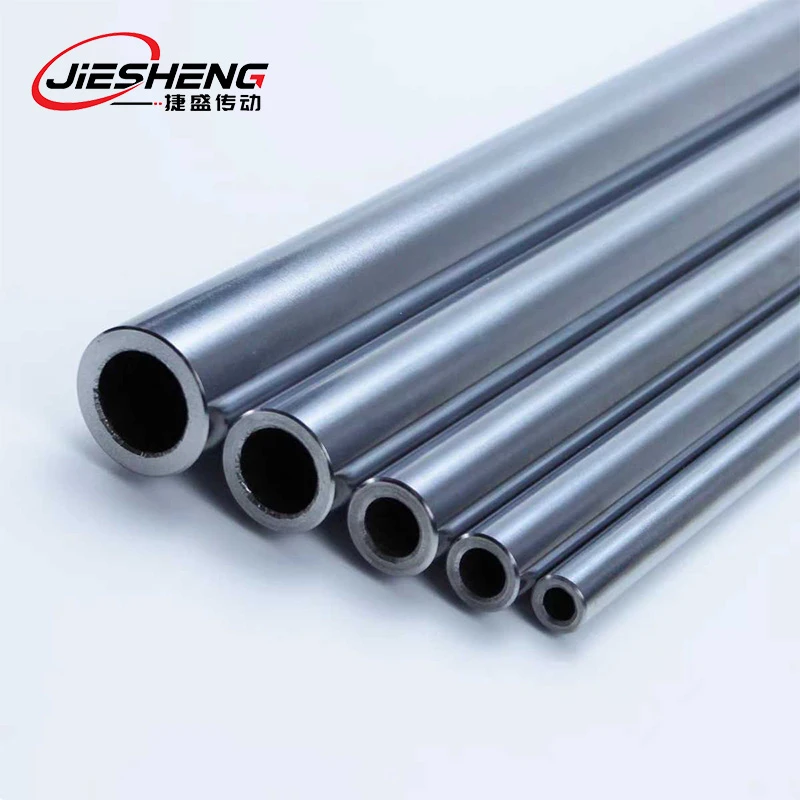

If you're in the market for high - quality Linear Guide Shaft, we're here to help. We offer a wide range of linear guide shafts that are suitable for various applications. Whether you need a standard shaft or a custom - made one, we can provide you with the right solution. Don't hesitate to reach out if you have any questions or if you're interested in purchasing our products. We're always happy to assist you with your linear guide shaft needs.
References
- Machinery's Handbook, 31st Edition
- Manufacturer's manuals for linear guide shafts and related equipment


