


Hey there! As a supplier of Linear Guide Shafts, I often get asked about the service life of these nifty components. So, I thought I'd sit down and write a blog post to share some insights on this topic.
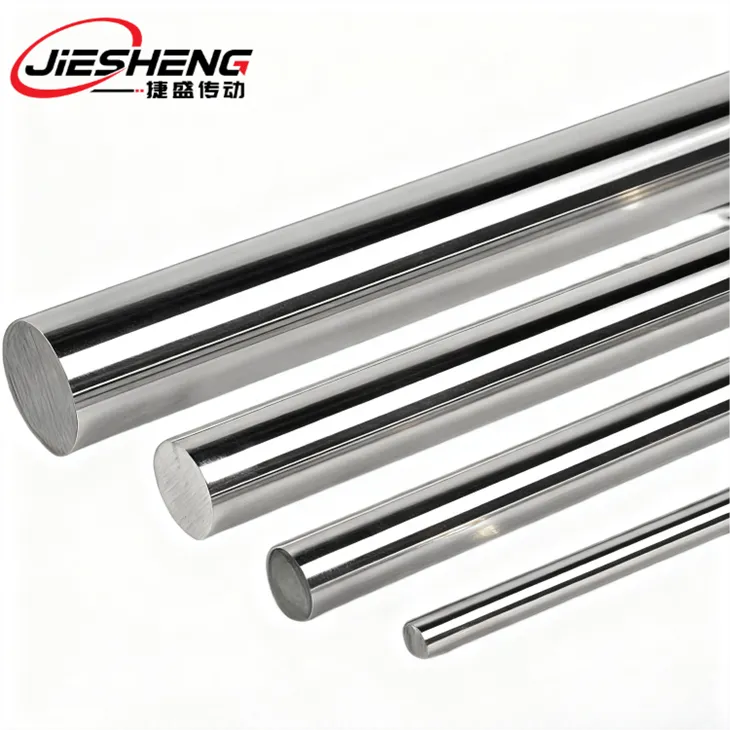
First off, let's understand what a linear guide shaft is. A linear guide shaft, also known as a linear motion shaft, is a crucial part in many mechanical systems. It provides a smooth and straight path for linear motion, allowing other components to move along it with precision. You can check out more about Linear Guide Shaft on our website.
The service life of a linear guide shaft isn't set in stone. It depends on a bunch of factors, and I'll break them down for you one by one.
Load Capacity
One of the most significant factors affecting the service life of a linear guide shaft is the load it has to bear. If you're using a shaft in a high - load application, it's going to experience more stress. For example, in a heavy - duty industrial machine where large amounts of weight are being moved along the shaft, the wear and tear will be much faster compared to a low - load application like a small 3D printer.
When a shaft is overloaded, the contact stress between the shaft and the moving elements (like bearings) increases. This can lead to surface fatigue, pitting, and eventually, failure. So, it's super important to choose a shaft with the right load capacity for your specific application. We offer Precision Linear Shafts that are designed to handle different load requirements.
Operating Speed
The speed at which the linear guide shaft operates also plays a big role. Higher operating speeds mean more friction and heat generation. Friction can cause the surface of the shaft to wear down, and excessive heat can affect the material properties of the shaft.

For instance, in a high - speed automation system, the shaft needs to be able to withstand the rapid movement. If the speed is too high for the shaft's design, it can lead to premature failure. On the other hand, in a slow - moving application, the shaft will generally have a longer service life as there's less stress and heat involved.
Lubrication
Lubrication is like a magic potion for linear guide shafts. It reduces friction between the shaft and the moving parts, which in turn reduces wear and heat. Without proper lubrication, the shaft and the bearings can rub against each other, causing damage over time.
There are different types of lubricants available, such as grease and oil. The choice of lubricant depends on the application, operating conditions, and the type of shaft. For example, in a dusty environment, a grease with good sealing properties might be a better choice. Regularly checking and replenishing the lubricant is essential to ensure the long - term performance of the shaft.
Environmental Conditions
The environment in which the linear guide shaft operates can have a huge impact on its service life. If the shaft is exposed to harsh chemicals, moisture, or extreme temperatures, it can corrode or degrade.
In a marine environment, for example, the saltwater can cause corrosion on the shaft surface. In a high - temperature industrial furnace, the heat can change the material structure of the shaft. Even in a clean room environment, static electricity can attract dust particles, which can cause abrasion on the shaft. We also have Cylinder Linear Shaft options that are designed to be more resistant to certain environmental conditions.
Material Quality
The quality of the material used to make the linear guide shaft is fundamental. High - quality materials are more resistant to wear, corrosion, and fatigue. Common materials for linear guide shafts include stainless steel, carbon steel, and chrome - plated steel.
Stainless steel shafts are great for applications where corrosion resistance is a priority, like in food processing or medical equipment. Carbon steel shafts are often used in general - purpose applications due to their good strength and affordability. Chrome - plated steel shafts offer a hard and smooth surface, which reduces friction and wear.
Maintenance
Regular maintenance is key to extending the service life of a linear guide shaft. This includes inspecting the shaft for signs of wear, damage, or corrosion, cleaning it, and replacing any worn - out parts.
During an inspection, you can look for things like scratches, dents, or changes in the surface finish. If you notice any issues early on, you can take corrective actions before they turn into major problems. Cleaning the shaft helps remove dirt and debris that can cause abrasion, and replacing worn - out bearings or other components ensures that the shaft operates smoothly.
Calculating Service Life
While it's difficult to give an exact number for the service life of a linear guide shaft, there are some methods to estimate it. Manufacturers often provide service life calculations based on factors like load, speed, and material properties. These calculations are usually based on theoretical models and real - world testing.
However, it's important to remember that these are just estimates. The actual service life can vary depending on how well the shaft is maintained and the specific operating conditions.
Conclusion
So, as you can see, the service life of a linear guide shaft is influenced by many factors. By choosing the right shaft for your application, ensuring proper lubrication, maintaining a suitable operating environment, and performing regular maintenance, you can significantly extend its service life.
If you're in the market for high - quality linear guide shafts, we're here to help. We have a wide range of products to meet different needs, and our team of experts can assist you in choosing the right shaft for your specific application. Whether you're working on a small DIY project or a large - scale industrial system, we've got you covered.
If you're interested in learning more or making a purchase, don't hesitate to reach out. We're always happy to have a chat and discuss your requirements. Let's work together to find the perfect linear guide shaft solution for you!
References
- Machinery's Handbook
- Manufacturer's technical documentation on linear guide shafts


