


Are there any limitations to using nut retainers? Well, as a supplier of Nut Retainers, I've had my fair share of experiences and insights on this topic. Let's dive right in and take a closer look at what might be the limitations when it comes to using nut retainers.
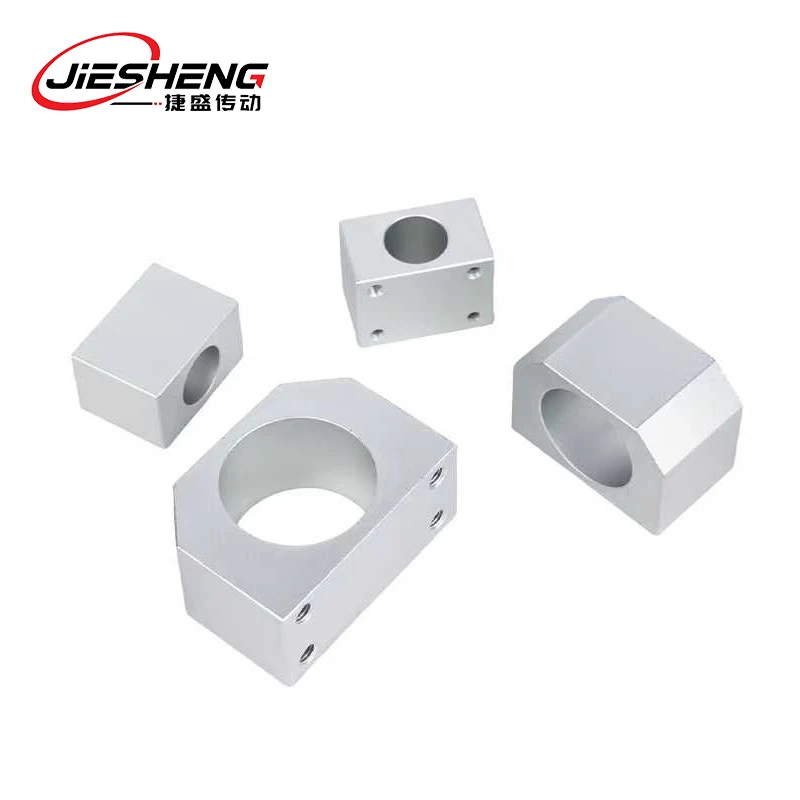
First off, let's understand what nut retainers are. Nut retainers are essential components in many mechanical systems. They're used to hold nuts in place, preventing them from loosening due to vibrations, shocks, or other external forces. This is super important in ensuring the stability and safety of the machinery. For example, in Ball Screw Housing, nut retainers play a crucial role in keeping the nuts secure, allowing the ball screw to function smoothly.
One of the limitations I've noticed is the issue of compatibility. Not all nut retainers are created equal, and they need to be a perfect fit for the nuts and the overall system they're being used in. If the nut retainer isn't the right size or shape, it might not hold the nut properly. This can lead to the nut coming loose over time, which can cause all sorts of problems in the machinery. For instance, in a 1605 Ball Screw Nut Housing, using an incompatible nut retainer could result in the ball screw not operating as efficiently as it should, or even worse, it could cause damage to the housing itself.
Another limitation is related to the environment in which the nut retainers are used. Some nut retainers are made from materials that might not be suitable for certain harsh environments. For example, if the machinery is operating in a high - temperature environment, a nut retainer made from a material that has a low melting point or poor heat resistance might start to degrade. This can weaken the retainer's ability to hold the nut, and again, lead to the nut loosening. Similarly, in a corrosive environment, a nut retainer that isn't made from a corrosion - resistant material will start to rust or corrode. This not only affects the retainer's performance but can also contaminate the surrounding parts of the machinery.
The installation process of nut retainers can also be a bit of a limitation. It requires a certain level of skill and precision. If the nut retainer isn't installed correctly, it won't work as intended. For example, if it's not tightened properly or if it's misaligned during installation, it might not hold the nut firmly. This can be a problem, especially in large - scale manufacturing or maintenance operations where there are many nut retainers to install. A single mistake in installation can lead to a chain reaction of issues in the machinery.
Cost can also be a factor. High - quality nut retainers that are designed to withstand extreme conditions and offer long - term performance can be quite expensive. This can be a limitation for some companies, especially those on a tight budget. They might be tempted to go for cheaper alternatives, but these often come with their own set of problems. Cheaper nut retainers might not be as durable or reliable, which can end up costing more in the long run due to frequent replacements and potential damage to the machinery.

Now, let's talk about the maintenance of nut retainers. Regular maintenance is crucial to ensure their proper functioning. However, this can be time - consuming and costly. Inspecting nut retainers for wear and tear, cleaning them, and replacing them when necessary takes both time and resources. In some cases, accessing the nut retainers for maintenance can be difficult, especially in complex machinery. This means that the machinery might have to be partially disassembled, which can disrupt the production process.
Despite these limitations, nut retainers are still an incredibly important part of many mechanical systems. They offer a lot of benefits, such as increased safety, improved performance, and longer lifespan of the machinery. At our company, we understand these limitations and work hard to provide solutions. We offer a wide range of nut retainers made from high - quality materials that are designed to be compatible with various systems. Our team of experts can also provide guidance on the right nut retainer for your specific needs, as well as installation and maintenance tips.
If you're in the market for nut retainers and want to avoid the limitations we've discussed, don't hesitate to get in touch. We're here to help you find the best solutions for your machinery. Whether you need a nut retainer for a 1605 Ball Screw Nut Housing or any other application, we've got you covered. Let's have a chat about your requirements and see how we can work together to ensure the smooth operation of your machinery.
References:
- Industry standards and guidelines for mechanical components
- Technical manuals of ball screw and nut housing systems
- Research on the performance of different nut retainer materials in various environments


