


Can a linear guide shaft be repaired?
As a supplier of Linear Guide Shafts, I often encounter questions from customers about the repair of linear guide shafts. This topic is not only crucial for cost - effectiveness but also for the overall efficiency of machinery that utilizes these components.
Understanding Linear Guide Shafts
Before delving into the repair aspect, it's essential to understand what linear guide shafts are. Linear guide shafts are fundamental components in linear motion systems. They provide a smooth and precise path for linear movement, which is vital in various industrial applications such as CNC machines, 3D printers, and automated assembly lines.
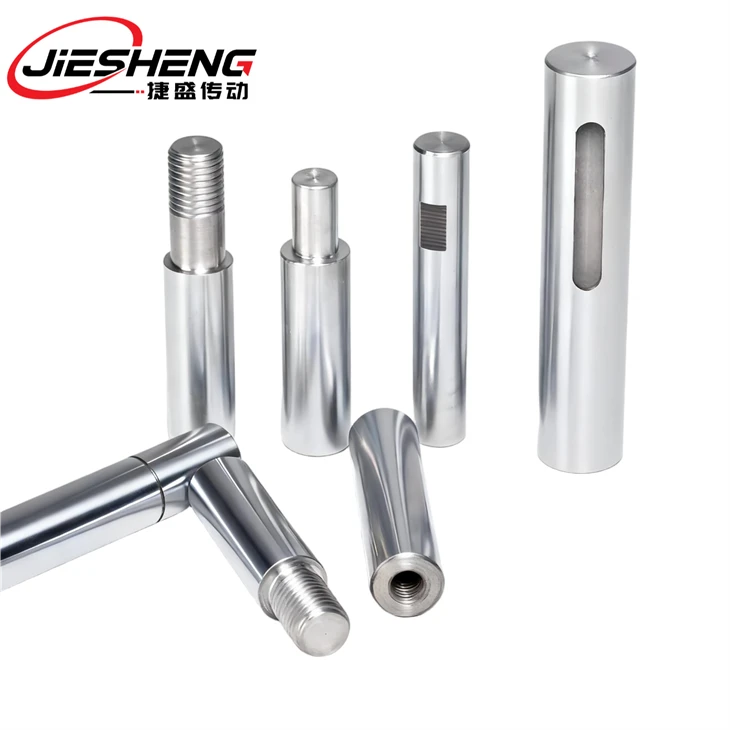

There are different types of linear guide shafts, including Chrome Plated Linear Shaft. Chrome plating not only enhances the shaft's corrosion resistance but also reduces friction, ensuring a longer lifespan and smoother operation. Another type is Precision Linear Shafts, which are designed with extremely high precision to meet the requirements of applications that demand accurate linear motion.
Common Damages to Linear Guide Shafts
Linear guide shafts can experience several types of damages. One of the most common issues is surface wear. Due to continuous friction during operation, the surface of the shaft may gradually wear down. This can lead to increased play in the system, resulting in reduced precision and performance.
Corrosion is another significant problem, especially in environments with high humidity or exposure to corrosive substances. Rust can form on the shaft surface, which not only affects the appearance but also weakens the shaft's structural integrity.
In some cases, the shaft may also suffer from physical damage, such as dents or scratches. These damages can be caused by improper handling, collisions, or debris getting into the system.
Factors Affecting Repairability
The repairability of a linear guide shaft depends on several factors. The type and extent of damage are the primary considerations. Minor surface wear or small scratches may be repairable, while severe damage such as deep dents or significant corrosion may render the shaft unrepairable.
The material of the shaft also plays a role. Some materials are more amenable to repair than others. For example, shafts made of high - quality steel may be more easily repaired compared to shafts made of more brittle materials.
The design and application of the linear guide shaft are also important. In some precision applications, even minor damages can significantly affect the performance, making repair less viable.
Repair Methods for Linear Guide Shafts
If the damage to the linear guide shaft is minor, there are several repair methods that can be employed.
Polishing and Grinding: For surface wear and minor scratches, polishing and grinding can be used to restore the smoothness of the shaft surface. This process involves using abrasive materials to remove the damaged layer and create a new, smooth surface. However, it's important to ensure that the dimensions of the shaft remain within the required tolerance after the process.
Re - plating: In the case of corrosion or damage to the surface coating, re - plating can be a viable solution. For Chrome Plated Linear Shaft, the damaged chrome layer can be removed and a new layer can be applied. This not only restores the corrosion resistance but also the smoothness of the shaft.
Straightening: If the shaft has become bent, straightening can be attempted. However, this requires specialized equipment and expertise. Improper straightening can cause internal stress in the shaft, which may lead to further damage in the long run.
When to Replace Instead of Repair
There are situations where it is more practical to replace the linear guide shaft rather than repair it. Severe damage, such as a cracked or broken shaft, is usually not repairable. In such cases, replacement is the only option.
If the repair cost is close to or higher than the cost of a new shaft, it may be more cost - effective to replace the shaft. Additionally, if the shaft is part of a high - precision system, even minor repairs may not guarantee the same level of performance as a new shaft.
The Role of a Supplier in Shaft Repair and Replacement
As a Linear Guide Shaft supplier, we play a crucial role in helping our customers make the right decision regarding shaft repair or replacement. We have the expertise to assess the damage to the shaft and provide professional advice.
We also offer a wide range of linear guide shafts, including Chrome Plated Linear Shaft and Precision Linear Shafts. Our products are of high quality and meet the strictest industry standards. If replacement is necessary, we can provide the appropriate shaft quickly and efficiently.
Conclusion
In conclusion, a linear guide shaft can be repaired in some cases, but it depends on the type and extent of damage, the material of the shaft, and the application requirements. Minor damages such as surface wear and small scratches can often be repaired through methods like polishing, re - plating, or straightening. However, severe damage usually calls for replacement.
As a supplier, we are committed to providing our customers with the best solutions for their linear guide shaft needs. Whether it's repair advice or supplying high - quality replacement shafts, we are here to assist. If you are facing issues with your linear guide shafts or are considering a purchase, we encourage you to contact us for a professional consultation and to discuss your specific requirements.
References
- "Handbook of Linear Motion Technology"
- "Industrial Linear Motion Systems: Design and Applications"


