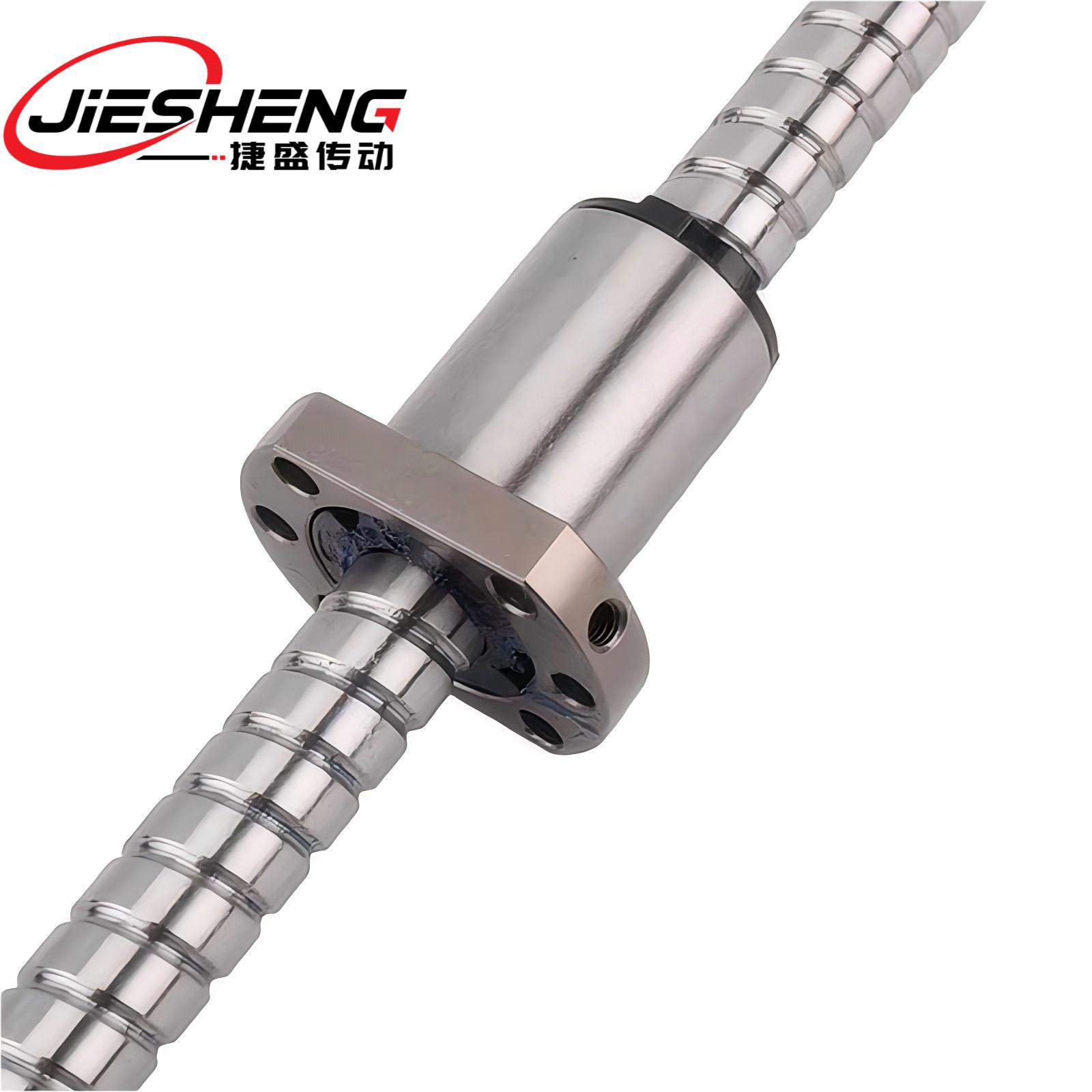
Hey there! As a supplier of linear axes, I often get asked by customers about the big question: How to select between domestic and imported linear axes? It's a tough call, and there are a bunch of factors to consider. In this blog, I'll break down the key points to help you make an informed decision.
Performance and Quality
Let's start with performance and quality. Imported linear axes have long had a reputation for high - end quality. They're often associated with precision engineering, advanced manufacturing techniques, and strict quality control. For example, European and Japanese manufacturers are well - known for producing linear axes that offer extremely high accuracy and smooth operation. These products are designed to meet the most demanding industrial applications, such as in the aerospace and semiconductor industries.
On the other hand, domestic linear axes have come a long way in recent years. Many domestic manufacturers have invested heavily in research and development, and they're now able to produce linear axes with comparable performance. They've also improved their quality control processes, ensuring that their products meet international standards.
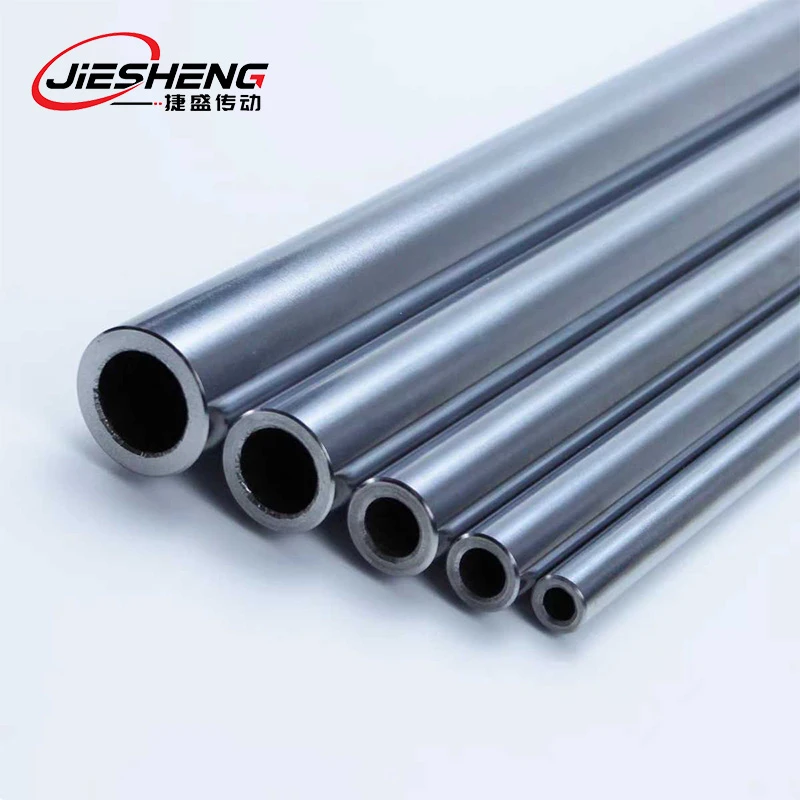
If you're working on a project that requires ultra - high precision, like building a high - end medical device, you might lean towards imported linear axes. But if your application has more moderate precision requirements, domestic linear axes can be a great option. You can check out Precision Linear Shafts to get an idea of the precision levels available in the market.
Cost
Cost is another major factor. Imported linear axes usually come with a higher price tag. This is due to several reasons, including import duties, transportation costs, and the brand premium associated with foreign manufacturers. If you're on a tight budget, this can be a significant deterrent.
Domestic linear axes, on the other hand, are generally more cost - effective. They don't have the additional costs associated with international shipping and import taxes. This makes them a popular choice for small and medium - sized enterprises that need to keep their costs down.
However, it's important to remember that the cheapest option isn't always the best. You need to balance the cost with the performance and quality requirements of your project. Sometimes, spending a little more on a high - quality imported linear axis can save you money in the long run by reducing maintenance and replacement costs.
Availability and Lead Time
When it comes to availability, domestic linear axes have an edge. Since they're produced locally, they can be delivered much faster. This is crucial if you have a tight project deadline. You don't have to worry about long shipping times or customs delays.
Imported linear axes, on the other hand, can have longer lead times. Shipping from overseas can take weeks or even months, depending on the location of the manufacturer. This can be a problem if you need the linear axes urgently.
If your project has a flexible timeline and you're willing to wait for the product, imported linear axes might still be a good choice. But if time is of the essence, domestic linear axes are the way to go.
After - Sales Service
After - sales service is an often - overlooked factor. Domestic suppliers usually offer better after - sales support. They're closer to you, which means they can respond more quickly to any issues or concerns you might have. They can also provide on - site service more easily.
Imported suppliers, while they may have good customer service, can face challenges in providing timely support. Language barriers, time zone differences, and long distances can make it difficult to get quick assistance.
If you're not confident in your ability to install and maintain the linear axes on your own, having a reliable domestic after - sales service can be a huge advantage.
Customization
Some projects require customized linear axes. Imported manufacturers often have more experience in providing highly customized solutions. They've been in the business for a long time and have the expertise to design and produce linear axes that meet specific requirements.
Domestic manufacturers are also catching up in this area. Many of them now offer customization services, and they can often provide more cost - effective customized solutions.
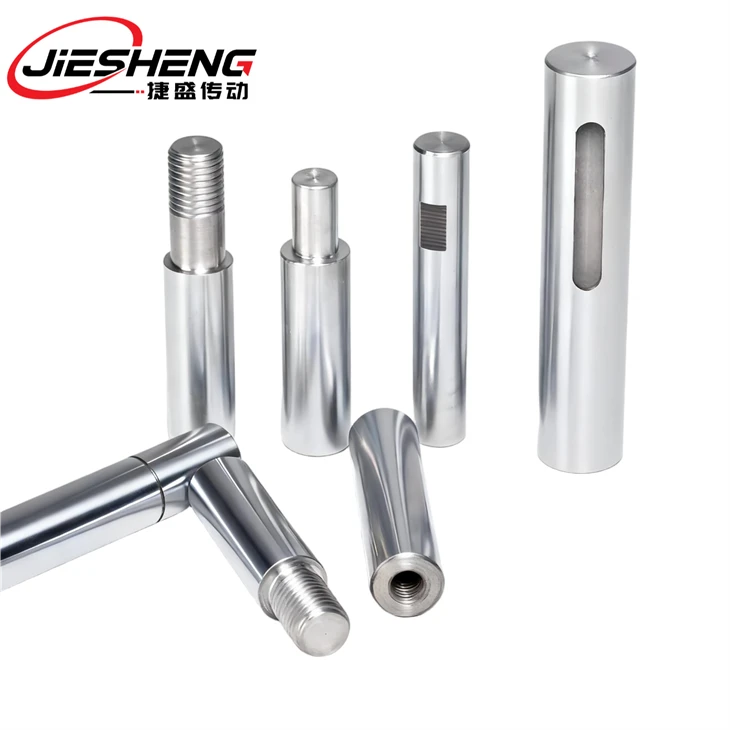
If you need a highly specialized linear axis, you might want to consider an imported supplier. But if you're looking for a more budget - friendly customized option, domestic suppliers are worth exploring. You can take a look at Chrome Plated Linear Shaft and Rail Shaft to see the range of products available and the potential for customization.
Compatibility
Compatibility with your existing equipment is another important consideration. You need to make sure that the linear axis you choose can work seamlessly with your other machinery.
Imported linear axes may have different standards and specifications compared to domestic ones. This can sometimes lead to compatibility issues. Domestic linear axes, on the other hand, are more likely to be designed to meet local standards and be compatible with other domestic equipment.
Before making a decision, it's a good idea to consult with your engineering team to ensure that the linear axis you choose will work well with your existing setup.
Market Reputation
The market reputation of the supplier is also important. Imported suppliers often have a long - standing reputation for quality and reliability. They've been in the market for a long time and have built a strong brand image.
Domestic suppliers are also building their reputation. Many of them have received positive feedback from customers for their quality products and good service. You can do some research online to see what other customers are saying about different suppliers.
Conclusion
In conclusion, choosing between domestic and imported linear axes depends on a variety of factors. If you need high - end performance, are willing to pay a premium, and have a flexible timeline, imported linear axes might be the right choice. On the other hand, if you're on a budget, need quick delivery, and want good after - sales support, domestic linear axes are a great option.
If you're still unsure about which type of linear axis is best for your project, don't hesitate to reach out. We're here to help you make the right decision. Whether you're looking for Precision Linear Shafts, Chrome Plated Linear Shaft, or Rail Shaft, we can provide you with the information and support you need. Contact us to start a discussion about your specific requirements and let's find the perfect linear axis for your project.
References
- General knowledge about the linear axes industry
- Industry reports on domestic and imported linear axes performance and market trends.