


In the realm of precision engineering, linear guides play a crucial role in ensuring smooth and accurate linear motion across various industrial applications. As a leading linear guide supplier, I often encounter questions from customers regarding alignment tolerance for linear guides. In this blog post, I will delve into the concept of alignment tolerance, its significance, factors affecting it, and how to ensure proper alignment for optimal performance of linear guides.
Understanding Alignment Tolerance
Alignment tolerance refers to the allowable deviation from the ideal alignment of linear guides during installation and operation. In other words, it is the maximum amount by which the linear guide can be misaligned without significantly affecting its performance. Alignment tolerance is typically specified in terms of linear and angular deviations and is expressed in units such as millimeters (mm) or degrees.
Proper alignment of linear guides is essential for several reasons. Firstly, it ensures smooth and consistent linear motion, reducing friction and wear on the guide components. This, in turn, extends the service life of the linear guide and minimizes the need for frequent maintenance and replacement. Secondly, accurate alignment helps to maintain the precision and repeatability of the linear motion, which is critical in applications where high levels of accuracy are required, such as in machine tools, semiconductor manufacturing equipment, and medical devices. Finally, proper alignment can also improve the overall stability and reliability of the system, reducing the risk of vibration, noise, and other performance issues.
Factors Affecting Alignment Tolerance
Several factors can affect the alignment tolerance of linear guides, including the type of linear guide, the application requirements, the installation method, and the environmental conditions. Let's take a closer look at each of these factors:
Type of Linear Guide
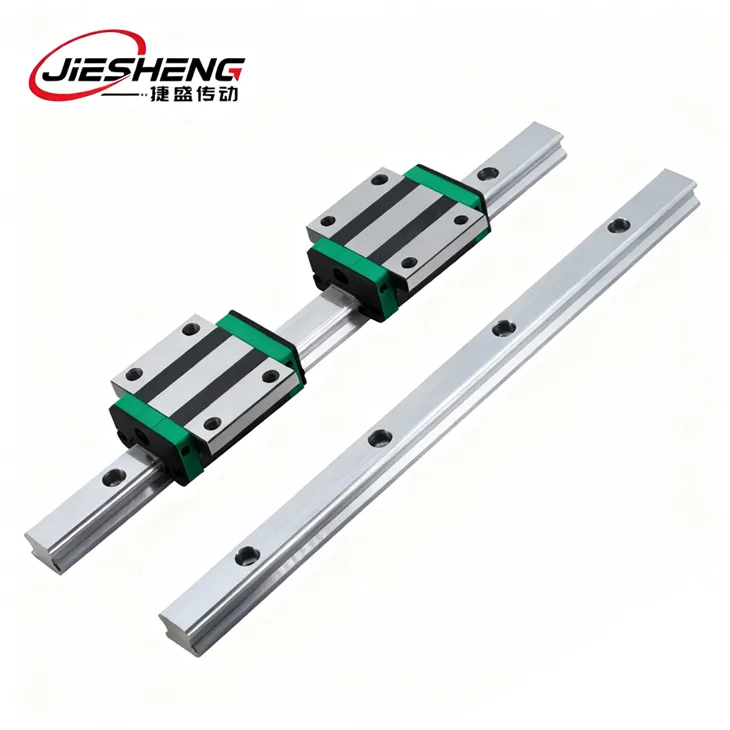
Different types of linear guides have different alignment tolerance requirements. For example, ball screw guide rails Ball Screw Guide Rail typically require higher alignment accuracy compared to other types of linear guides due to their high precision and load-carrying capacity. On the other hand, aluminum linear slides Aluminum Linear Slides may have slightly lower alignment tolerance requirements, making them more suitable for applications where cost and ease of installation are important considerations.
Application Requirements
The specific requirements of the application also play a significant role in determining the alignment tolerance. For applications that require high levels of precision and repeatability, such as in precision machining or metrology, tighter alignment tolerances are typically required. In contrast, applications that are less sensitive to alignment, such as in general industrial automation or material handling, may allow for slightly larger alignment tolerances.
Installation Method
The installation method used for the linear guide can also affect its alignment tolerance. Improper installation can lead to misalignment, which can significantly impact the performance of the linear guide. It is important to follow the manufacturer's installation instructions carefully and use the appropriate tools and techniques to ensure accurate alignment. For example, using a precision alignment tool, such as a laser alignment system, can help to achieve more accurate alignment and reduce the risk of errors.
Environmental Conditions
The environmental conditions in which the linear guide operates can also affect its alignment tolerance. Factors such as temperature, humidity, vibration, and dust can all have an impact on the alignment of the linear guide. For example, temperature changes can cause the linear guide to expand or contract, which can lead to misalignment. Similarly, vibration and shock can cause the linear guide to shift out of alignment, while dust and debris can accumulate on the guide surfaces, affecting the smoothness of the linear motion. It is important to consider these environmental factors when selecting a linear guide and to take appropriate measures to protect it from adverse conditions.
Measuring Alignment Tolerance
To ensure proper alignment of linear guides, it is important to measure the alignment tolerance regularly using appropriate measuring tools and techniques. There are several methods available for measuring alignment tolerance, including:
Straightness Measurement
Straightness measurement is used to determine the deviation of the linear guide from a straight line. This can be done using a straightedge, a laser alignment system, or a coordinate measuring machine (CMM). The straightness tolerance is typically specified in terms of the maximum allowable deviation from the ideal straight line over a given length.
Parallelism Measurement
Parallelism measurement is used to determine the deviation of two or more linear guides from being parallel to each other. This can be done using a dial indicator, a laser alignment system, or a CMM. The parallelism tolerance is typically specified in terms of the maximum allowable deviation from the ideal parallel position over a given length.
Angular Measurement
Angular measurement is used to determine the deviation of the linear guide from a specific angle. This can be done using a protractor, a theodolite, or a laser alignment system. The angular tolerance is typically specified in terms of the maximum allowable deviation from the ideal angle in degrees or radians.
Ensuring Proper Alignment
To ensure proper alignment of linear guides, it is important to follow the manufacturer's installation instructions carefully and use the appropriate tools and techniques. Here are some general tips for ensuring proper alignment:
Prepare the Installation Surface
Before installing the linear guide, it is important to prepare the installation surface to ensure that it is flat, clean, and free of any debris or contaminants. The installation surface should also be within the specified tolerance for flatness and parallelism.
Use Precision Alignment Tools
Using precision alignment tools, such as a laser alignment system or a dial indicator, can help to achieve more accurate alignment and reduce the risk of errors. These tools can provide real-time feedback on the alignment of the linear guide, allowing for adjustments to be made as needed.
Check the Alignment Regularly
It is important to check the alignment of the linear guide regularly, especially after any maintenance or repair work has been carried out. Regular alignment checks can help to identify any issues early on and prevent them from causing significant damage to the linear guide or the system.
Follow the Manufacturer's Recommendations
Finally, it is important to follow the manufacturer's recommendations for alignment tolerance and installation procedures. The manufacturer's recommendations are based on extensive testing and experience and are designed to ensure optimal performance and reliability of the linear guide.

Conclusion
In conclusion, alignment tolerance is a critical factor in ensuring the smooth and accurate operation of linear guides. As a linear guide supplier, I understand the importance of proper alignment and the impact it can have on the performance and reliability of the system. By understanding the concept of alignment tolerance, the factors that affect it, and the methods for measuring and ensuring proper alignment, you can ensure that your linear guides are installed and maintained correctly, providing optimal performance and longevity.
If you have any questions or need further information about alignment tolerance for linear guides, or if you are interested in purchasing linear guides for your application, please do not hesitate to contact us. Our team of experts is always available to provide you with the support and guidance you need to make the right choice for your specific requirements.
References
- "Linear Motion Technology Handbook," published by Schaeffler Technologies AG & Co. KG.
- "Precision Linear Motion Systems," published by Thomson Industries, Inc.
- "Linear Guides: Design, Selection, and Application," published by THK Co., Ltd.


