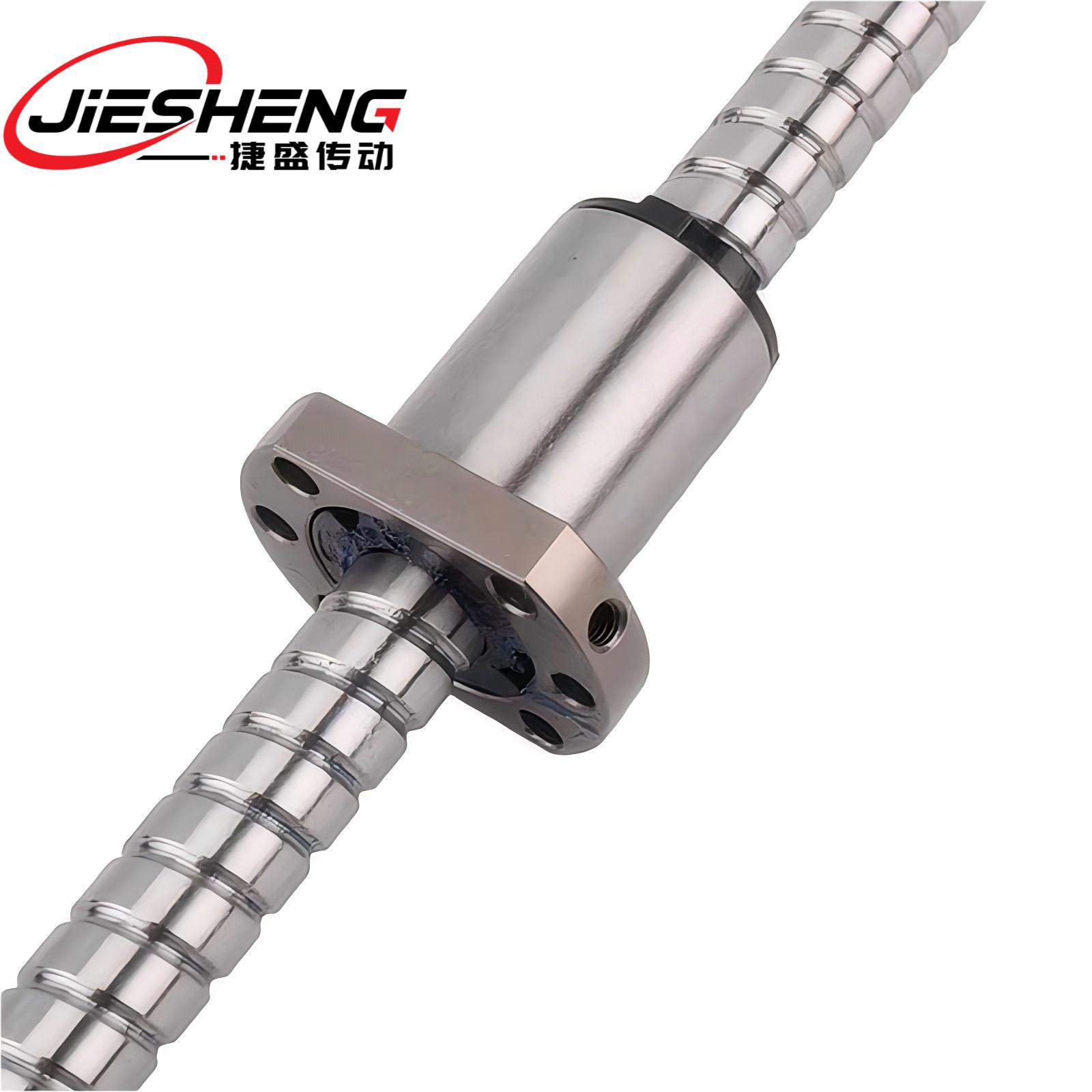
Hey there! As a Rail Shaft supplier, I often get asked about the speed limit for a rail shaft. It's a super important question, especially for those in industries that rely on smooth and efficient linear motion. So, let's dive right into it and explore what the speed limit for a rail shaft actually is.
First off, what exactly is a rail shaft? Well, a rail shaft is a crucial component in linear motion systems. It provides a smooth and stable surface for other parts to move along, like sliders or carriages. These shafts are used in a wide range of applications, from industrial machinery to automation systems and even in some consumer products.
Now, the speed limit of a rail shaft isn't a one - size - fits - all number. It depends on several factors. One of the most significant factors is the material of the rail shaft. Different materials have different properties that can affect how fast they can operate. For example, steel shafts are very common because they're strong and durable. But the type of steel and its heat treatment can make a big difference in its speed capabilities.
Another factor is the lubrication. Proper lubrication is essential for reducing friction between the rail shaft and the moving parts. If there's too much friction, it can cause wear and tear on the shaft and limit its speed. High - quality lubricants can help the shaft operate at higher speeds with less resistance.
The design of the linear motion system also plays a role. The way the rail shaft is supported, the type of bearings used, and the overall layout of the system can all impact the speed limit. For instance, if the bearings are not properly aligned or if the support structure is weak, it can lead to vibrations and instability at high speeds.
Let's talk about some real - world applications. In industrial manufacturing, where precision and speed are key, the speed limit of a rail shaft can determine the efficiency of the entire production line. For example, in a high - speed assembly line, the rail shafts need to be able to move parts quickly and accurately. If the speed limit is too low, it can slow down the production process and reduce productivity.
On the other hand, in applications like medical equipment, the speed limit might be more about ensuring safety and precision. For example, in a robotic surgical system, the rail shafts need to move with extreme accuracy at a controlled speed to avoid any errors during the procedure.
Now, let's get into some technical details. The speed limit of a rail shaft is often measured in meters per second (m/s). To calculate the maximum speed, engineers take into account factors like the dynamic load capacity of the shaft, the coefficient of friction, and the allowable stress on the material.


For example, if a rail shaft has a high dynamic load capacity, it can handle more force while moving at a high speed. The coefficient of friction, which is affected by the lubrication and the surface finish of the shaft, also plays a crucial role. A lower coefficient of friction means less resistance and allows for higher speeds.
When it comes to choosing the right rail shaft for your application, there are a few things to keep in mind. You need to consider the required speed, the load capacity, and the environmental conditions. For example, if you're working in a dirty or dusty environment, you might need a rail shaft with a special coating to protect it from contamination.
If you're in the market for a rail shaft, you might be interested in some of the products we offer. We have a great selection of Linear Guide Shaft. These shafts are designed to provide smooth and reliable linear motion. They come in different sizes and materials to suit various applications.
We also have Precision Linear Shafts. These shafts are manufactured to very high tolerances, ensuring accurate and precise movement. They're perfect for applications where precision is of the utmost importance.
And if you're looking for a shaft with a protective coating, our Chrome Plated Linear Shaft is a great option. The chrome plating not only protects the shaft from corrosion but also reduces friction, allowing for higher speeds.
So, how do you determine the speed limit for your specific rail shaft? It's best to consult with an expert. At our company, we have a team of experienced engineers who can help you choose the right rail shaft for your application and calculate the appropriate speed limit.
If you're interested in learning more about our rail shafts or have any questions about the speed limit, don't hesitate to get in touch. We're here to help you find the best solution for your linear motion needs. Whether you're a small business or a large industrial corporation, we can provide you with the high - quality rail shafts you need to keep your operations running smoothly.
In conclusion, the speed limit for a rail shaft is a complex topic that depends on many factors. By understanding these factors and choosing the right shaft for your application, you can ensure that your linear motion system operates at its best. So, if you're in the market for a rail shaft, give us a shout, and let's start a conversation about how we can meet your needs.
References
- Engineering textbooks on linear motion systems
- Industry research papers on rail shaft performance