


Yo! I'm a supplier of linear axes, and today I wanna chat about the shock - resistance requirements for linear axes. It's a super important topic, especially for those who rely on these axes in their machinery and equipment.
First things first, let's understand why shock resistance matters. Linear axes are used in all sorts of applications, from industrial manufacturing to robotics. In these settings, sudden impacts or vibrations can occur. For example, in a manufacturing plant, a machine might accidentally hit a workpiece during a rapid movement, or in a robotic arm, there could be a jolt when it picks up a heavy object. If the linear axis can't handle these shocks, it can lead to all kinds of problems. The precision of the axis can be affected, which means the machinery won't work as accurately as it should. Over time, repeated shocks can also cause wear and tear on the components, reducing the lifespan of the linear axis and increasing maintenance costs.
So, what are the key shock - resistance requirements for linear axes?
Material Selection
The materials used in the construction of linear axes play a huge role in their shock - resistance. High - strength alloys are often a top choice. These alloys can withstand a significant amount of force without deforming. For instance, some linear axes use steel alloys with high carbon content. The carbon gives the steel more strength, making it better at absorbing shocks.
Another option is to use materials with good ductility. Ductile materials can stretch and bend a little under stress without breaking. This means that when a shock occurs, the material can deform slightly to absorb the energy instead of shattering. Aluminum alloys are known for their good combination of strength and ductility, and they're sometimes used in linear axes, especially in applications where weight is a concern.
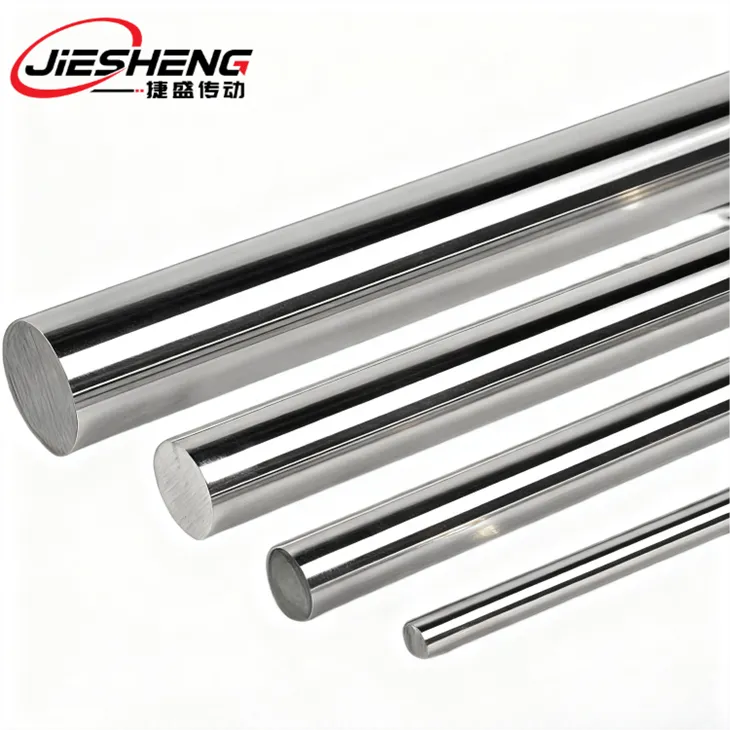
If you're interested in high - quality linear shafts for your shock - resistant linear axes, check out Precision Linear Shafts. These shafts are made with top - notch materials to ensure they can handle the shocks in your applications.
Design Considerations
The design of the linear axis also affects its shock resistance. One important aspect is the shape of the components. For example, a well - designed linear shaft should have a smooth and uniform cross - section. This helps to distribute the stress evenly when a shock occurs. A shaft with a non - uniform cross - section might have weak points where the stress concentrates, increasing the risk of failure.
The mounting system of the linear axis is also crucial. It should be designed to securely hold the axis in place while still allowing some flexibility to absorb shocks. A rigid mounting system might transfer all the shock directly to the axis, causing damage. On the other hand, a too - flexible mounting might result in excessive movement of the axis, affecting its precision.
For a specific type of linear shaft that is designed with shock - resistance in mind, take a look at Chrome Plated Linear Shaft. The chrome plating not only adds a layer of protection but also contributes to the overall strength and shock - absorbing ability of the shaft.
Lubrication
Proper lubrication is essential for shock - resistant linear axes. Lubricants can reduce friction between the moving parts, which in turn helps to absorb some of the shock energy. When there is less friction, the components can move more smoothly during a shock, reducing the stress on the axis.

There are different types of lubricants available, such as grease and oil. Grease is often preferred in applications where the linear axis operates at low speeds or in a dirty environment. It stays in place better and provides a long - lasting lubrication effect. Oil, on the other hand, is more suitable for high - speed applications as it can flow more easily and provide better cooling.
Testing and Certification
Before a linear axis can be considered shock - resistant, it needs to go through rigorous testing. Manufacturers usually subject their linear axes to various shock tests, simulating different real - world scenarios. These tests measure how well the axis can withstand shocks in terms of deformation, precision loss, and component failure.
Certifications can also be a good indicator of a linear axis's shock - resistance. Some industry - recognized certifications ensure that the linear axis meets certain standards for shock resistance. When you're looking for a linear axis, it's a good idea to check if it has any relevant certifications.
If you need a linear shaft with a unique cylindrical design for your shock - resistant linear axis, Cylinder Linear Shaft could be the perfect fit. It's designed and tested to handle shocks effectively.
Application - Specific Requirements
Different applications have different shock - resistance requirements. For example, in a high - speed pick - and - place robotic system, the linear axis needs to be able to handle sudden starts and stops, which can generate significant shocks. In this case, the axis should have a high shock - resistance rating and be able to maintain its precision even after multiple shocks.
In a heavy - duty industrial press, the linear axis might experience large and infrequent shocks. Here, the focus is on the axis's ability to withstand the maximum force of the shock without permanent damage.
As a supplier of linear axes, I understand that finding the right linear axis with the appropriate shock - resistance for your application can be a challenge. That's why I'm here to help. Whether you're in the manufacturing, robotics, or any other industry that uses linear axes, we can provide you with the best solutions.
If you're interested in learning more about our linear axes or want to discuss your specific shock - resistance requirements, don't hesitate to reach out. We can have a detailed chat about your needs and find the perfect linear axis for your project. Let's work together to ensure your machinery runs smoothly and efficiently, even in the face of shocks.
References
- Some industry - specific engineering handbooks on machine design.
- Research papers on the mechanical properties of materials used in linear axes.
- Manufacturer's documentation on shock - testing procedures for linear axes.


